

Introduction
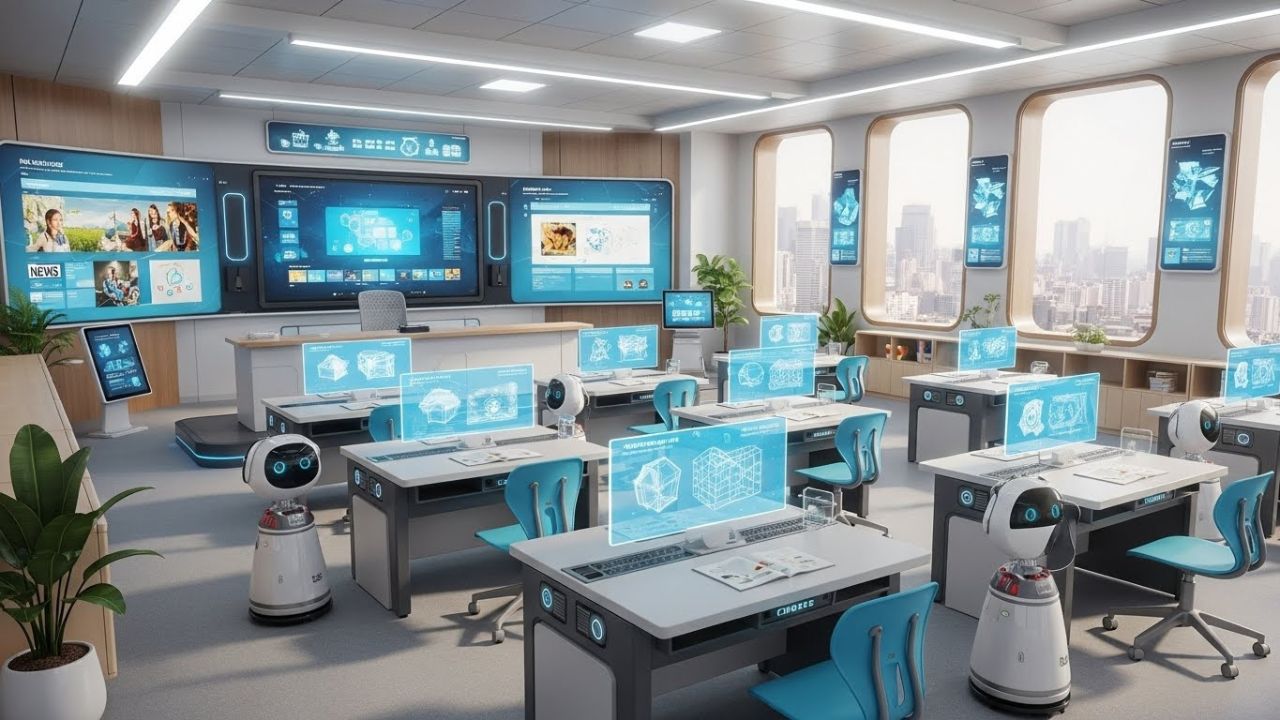
Education is transforming at a pace never seen before, and the 30x classroom concept has emerged as one of the most innovative models supporting this change. Designed to enhance learning through technology, collaboration, and personalized instruction, the 30x classroom reshapes how teachers teach and how students engage with knowledge. In today’s digital era, classrooms must evolve to meet the expectations of modern learners, and this model offers a forward-thinking approach for schools, educators, and institutions seeking meaningful improvement.
The idea behind the 30x classroom is simple yet powerful—create a learning environment that is 30 times more interactive, efficient, and engaging than traditional classrooms. This approach incorporates smart tools, student-centered techniques, and flexible instruction, ensuring every learner has the opportunity to thrive.
What Is a 30x Classroom?
A 30x classroom is a modern, technology-supported learning environment built to amplify student engagement, streamline instruction, and encourage deeper understanding. Instead of relying on outdated teaching styles, this model emphasizes:
-
Interactive digital tools
-
Collaborative workspaces
-
Personalized learning paths
-
Real-time feedback
-
Creative, hands-on activities
It transforms the classroom into a dynamic ecosystem where students actively participate in their education rather than passively absorbing information.
Why Schools Are Transitioning to the 30x Classroom Model
The rapid growth of technology and digital literacy has made traditional methods less effective. Students today are visual, hands-on, and tech-savvy. The 30x classroom responds to this shift by offering a model that aligns with modern expectations and learning behaviors.
Here’s why it’s gaining popularity:
1. Increased Student Engagement
Technology-supported instruction grabs attention and keeps students focused. Interactive screens, educational apps, and digital games make learning fun and meaningful.
2. Personalized Learning Experiences
Students learn at different paces. The 30x classroom supports tailored lessons, allowing educators to adapt materials for visual, auditory, and kinesthetic learners.
3. Preparation for Future Careers
Modern jobs require digital skillsets. This environment ensures students are comfortable with technology, collaboration, and problem-solving.
4. Efficient Classroom Management
Digital tools automate grading, attendance, assignments, and assessments—saving teachers time and improving accuracy.
Key Features of a 30x Classroom
To truly build a 30x classroom, several elements must work together to create a connected and dynamic learning space.
1. Technology Integration
Technology is the foundation of this model. Tools commonly used include:
-
Interactive smartboards
-
Tablets or laptops for students
-
Educational software
-
Virtual reality (VR) modules
-
Online collaboration platforms
These digital resources help simplify complex concepts and make lessons more interactive.
2. Flexible Seating and Classroom Layout
The physical design of the classroom plays a major role. Traditional rows of desks limit collaboration, but the 30x classroom encourages:
-
Group seating
-
Open learning zones
-
Moveable desks
-
Comfortable reading corners
-
Technology stations
This setup supports teamwork, creativity, and smooth mobility during activities.
3. Student-Centered Teaching
Instead of the teacher being the sole source of information, the 30x classroom promotes student ownership of learning. This includes:
-
Project-based learning
-
Inquiry-driven activities
-
Peer teaching
-
Research-based assignments
Students explore, question, and build knowledge actively.
4. Data-Driven Instruction
Modern tools allow teachers to track student progress in real time. Through analytics dashboards and digital assessments, educators can identify:
-
Strengths
-
Challenges
-
Learning gaps
-
Growth opportunities
This insight helps teachers tailor instruction more effectively.
5. Collaboration and Communication Tools
A critical component of the 30x classroom is enhanced communication. Students use platforms that allow them to:
-
Work together on shared documents
-
Participate in group discussions
-
Submit digital assignments
-
Communicate instantly with teachers
This supports teamwork skills needed in real-life work environments.
Benefits of Implementing the 30x Classroom Model
While the 30x classroom is innovative, its true value lies in the benefits it brings to students and educators alike.
Boosts Creativity and Innovation
Interactive learning tools inspire students to think creatively. Whether through digital art programs, video creation tools, or 3D modeling, learners gain hands-on experience that fuels imagination.
Supports Diverse Learning Styles
Every student is unique. The 30x classroom allows educators to use multimedia—videos, audio clips, simulations, diagrams—to support different learning preferences.
Encourages Critical Thinking
Technology and project-based tasks challenge students to solve problems, analyze information, and make decisions—essential skills for academic and professional success.
Improves Teacher Productivity
Teachers benefit from reduced workloads thanks to digital tools that handle repetitive tasks. This allows them to focus more on meaningful interactions with students.
Promotes Global Learning Opportunities
Through online platforms, students can connect with peers worldwide, explore virtual field trips, and access unlimited digital resources.
How to Transform a Traditional Class into a 30x Classroom
Schools interested in adopting this model can follow a simple roadmap.
1. Start With Small Digital Tools
Begin with interactive slides, educational apps, and digital quizzes. These small additions can significantly improve engagement.
2. Redesign the Classroom Layout
Introduce flexible seating, group areas, and designated zones for reading, collaboration, and tech use.
3. Train Teachers in Modern Methods
Professional development programs ensure educators are confident integrating the 30x classroom strategies into daily instruction.
4. Use Data to Improve Teaching
Implement tools that track student performance. Data insight helps refine lessons and target support effectively.
5. Encourage Student Leadership
Give students roles during lessons—group leader, researcher, presenter—to build responsibility and independence.
Challenges Schools May Face and How to Overcome Them
While the 30x classroom offers major benefits, schools may encounter challenges such as:
-
Limited budgets for technology
-
Lack of teacher training
-
Resistance to change
-
Technical issues
Solutions include adopting affordable devices, gradual implementation, ongoing professional training, and reliable IT support.
Conclusion
The 30x classroom is more than a modern learning environment—it is a complete transformation of how education works. By combining technology, collaboration, personalized learning, and innovative teaching strategies, this model prepares students for a rapidly changing world. As schools continue to evolve, adopting the 30x classroom approach ensures educators can deliver engaging, effective, and future-ready instruction.