

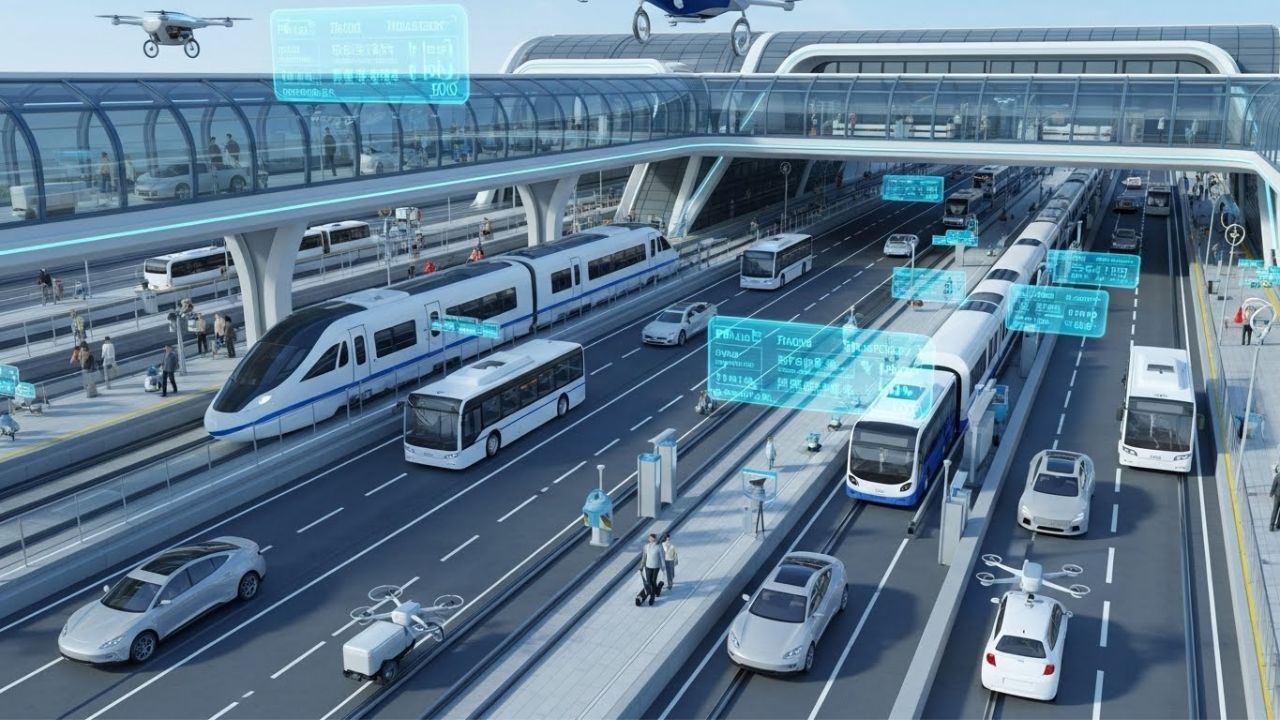
Transport and Its Role in Everyday Life
Transport plays a vital role in shaping modern civilization. From daily commuting to international trade, it connects people, goods, and ideas across cities, countries, and continents. Without efficient movement systems, societies would struggle to function, businesses would collapse, and global cooperation would be nearly impossible.
In today’s fast-paced world, reliable mobility is no longer a luxury—it is a necessity. Whether it’s buses, trains, ships, or airplanes, movement systems influence how we work, learn, and interact with the world around us. As populations grow and cities expand, the demand for better, faster, and more sustainable solutions continues to rise.
The Evolution of Transport Through History
Early Forms of Transport
In ancient times, humans relied on walking, animals, and simple tools like carts and boats. These early methods allowed people to explore, trade, and form civilizations.
The Industrial Revolution and Transport Growth
The invention of steam engines changed everything. Trains, steamships, and later automobiles revolutionized mobility, enabling mass travel and large-scale commerce.
Modern Innovations
Today, high-speed trains, electric vehicles, and aircraft powered by advanced technology dominate the world. Digital tracking systems, GPS navigation, and automation have made travel safer and more efficient.
Types of Transport Systems
Road Transport
Cars, buses, motorcycles, and trucks form the most commonly used systems worldwide. They provide flexibility and convenience for short and medium distances.
Rail Transport
Trains are cost-effective and energy-efficient for moving large numbers of people and heavy goods. High-speed rail networks have transformed long-distance travel.
Water Transport
Ships and boats play a major role in international trade. Nearly 90% of global goods are moved by sea.
Air Transport
Air travel is the fastest way to cover long distances. It connects countries, supports tourism, and enables global business operations.
Pipeline Transport
Used for transporting liquids and gases such as oil, water, and natural gas over long distances.
Transport and Economic Development
Movement systems are closely linked to economic growth. Countries with strong infrastructure tend to have better trade opportunities, higher employment rates, and improved living standards.
Supporting Global Trade
Ports, highways, and airports allow goods to move quickly and efficiently between markets.
Creating Jobs
From drivers and pilots to engineers and planners, millions of people work in this sector.
Boosting Tourism
Well-developed travel networks attract tourists, increasing revenue for local businesses.
Transport and Urban Life
Daily Commuting
Millions of people rely on buses, trains, and subways to get to work or school every day.
Reducing Traffic Congestion
Efficient public systems reduce road congestion and improve air quality.
Improving Accessibility
Modern solutions make it easier for elderly people and those with disabilities to travel safely.
Environmental Impact of Transport
While mobility systems bring convenience, they also contribute to pollution and climate change.
Carbon Emissions
Vehicles powered by fossil fuels release harmful gases into the atmosphere.
Noise Pollution
Traffic noise affects mental health and quality of life in urban areas.
Land Use
Large roads and airports require massive land areas, often disturbing ecosystems.
Sustainable Transport Solutions
To reduce environmental damage, governments and companies are adopting greener alternatives.
Electric Vehicles
Electric cars, buses, and bikes reduce harmful emissions.
Public Transport Expansion
Encouraging shared travel reduces the number of private vehicles on roads.
Cycling and Walking
Promoting active mobility improves health and reduces pollution.
Smart City Planning
AI-powered traffic systems improve flow and minimize fuel consumption.
The Role of Technology in Modern Transport
Artificial Intelligence
AI helps in route optimization, traffic management, and predictive maintenance.
Automation
Self-driving vehicles are becoming more realistic each year.
Smart Ticketing
Digital passes and mobile apps simplify payment and access.
Real-Time Tracking
GPS technology allows users to monitor routes and arrival times.
Transport Safety and Regulations
Safety is a top priority in all movement systems.
Traffic Laws
Speed limits, seatbelt rules, and helmet laws protect lives.
Vehicle Standards
Regular inspections ensure roadworthiness.
Pilot and Driver Training
Professional certifications maintain high safety standards.
Emergency Systems
Rescue services and response teams minimize damage during accidents.
Transport in Developing vs Developed Countries
Developed Nations
They usually have advanced networks, high-speed trains, smart highways, and digital systems.
Developing Nations
Often face challenges like outdated infrastructure, overcrowding, and limited funding.
Bridging the Gap
International funding, smart planning, and sustainable projects can help close the difference.
Transport and Social Connection
Movement systems bring people together. They enable families to stay connected, students to attend schools, and communities to grow.
Festivals, sports events, and cultural exchanges would not be possible without reliable ways to travel.
Future Trends in Transport
Hyperloop Technology
Ultra-fast travel using vacuum tubes could redefine long-distance commuting.
Flying Taxis
Urban air mobility is being tested in several countries.
Hydrogen-Powered Vehicles
These produce only water as a byproduct.
Space Travel
Private companies are exploring commercial space journeys.
Challenges Facing Modern Transport
Traffic Congestion
Urban centers struggle with overcrowded roads.
Rising Fuel Costs
Increasing energy prices affect travel affordability.
Infrastructure Aging
Many bridges and roads require urgent upgrades.
Cybersecurity Risks
Digital systems must be protected from cyber threats.
How Individuals Can Contribute to Better Transport Systems
Everyone can play a role in improving mobility.
-
Use public transit whenever possible
-
Carpool with colleagues
-
Maintain vehicles properly
-
Follow traffic laws
-
Support eco-friendly initiatives
Small actions can make a big difference.
Final Thoughts on Transport
Transport is more than just movement—it is the foundation of modern civilization. It influences economic growth, social connection, environmental health, and overall quality of life.
As technology advances and sustainability becomes a global priority, the future of mobility looks promising. With smart planning and responsible use, we can create systems that are not only efficient but also environmentally friendly and inclusive.