

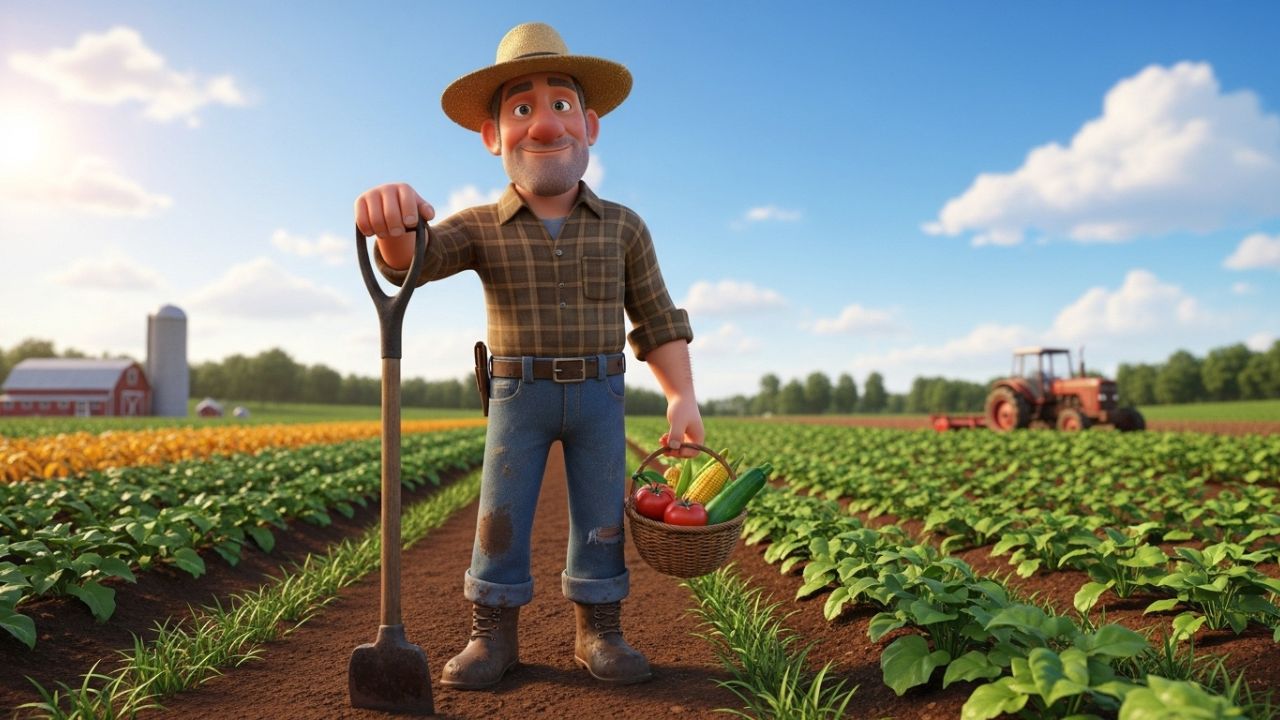
Introduction: Why Every Farmer Matters
A farmer is more than just a person who grows crops or raises livestock. Farmers are the backbone of civilization, providing the food that sustains human life. From ancient times to the modern digital age, their work has shaped societies, cultures and economies. Without farmers, cities would collapse, industries would struggle, and global food systems would fail.
Today, the role of a farmer has evolved. While traditional practices still exist, modern agriculture now involves technology, environmental awareness, and scientific planning. This article explores the life, responsibilities, challenges, and future of farmers in a rapidly changing world.
Who Is a Farmer?
A farmer is someone who cultivates land, grows crops, or raises animals for food, fiber, medicine, and other essential resources. Farmers can work on small family farms or large commercial agricultural enterprises.
Their daily tasks include planting, harvesting, irrigating fields, caring for livestock, managing soil health, and protecting crops from pests. Farmers must also make decisions based on weather, market demand, and environmental conditions.
The Historical Importance of a Farmer
Farming in Ancient Civilizations
The earliest civilizations depended on farming for survival. Communities settled near rivers, fertile lands, and forests to grow crops and domesticate animals. The invention of farming allowed people to build permanent homes, develop trade, and create social systems.
Farming and Cultural Development
Agriculture influenced festivals, traditions, and cuisines. Many cultural rituals revolve around planting and harvesting seasons, showing how deeply farmers are connected to human identity.
Role of a Farmer in Food Production
Growing Crops
Farmers produce grains, fruits, vegetables, and pulses that form the foundation of the human diet. They carefully choose seeds, prepare soil, monitor growth, and harvest at the right time.
Raising Livestock
Dairy, poultry, and meat products come from livestock farming. Farmers ensure animals are healthy, well-fed, and protected from disease.
Ensuring Food Quality
Modern farmers must meet safety standards, control pests naturally when possible, and reduce chemical usage to protect consumers.
Economic Contribution of a Farmer
Supporting National Economies
Agriculture contributes significantly to GDP in many countries. It provides employment to millions of people directly and indirectly.
Rural Development
Farming supports rural communities by creating jobs, improving infrastructure, and encouraging small businesses.
Global Trade
Crops such as wheat, rice, coffee, and cotton are traded worldwide, connecting farmers to international markets.
Daily Life of a Farmer
A farmer’s day usually starts before sunrise. Tasks include checking crops, feeding animals, inspecting equipment, and planning the day’s activities.
Unlike office jobs, farming depends heavily on nature. Weather changes, pests, and soil conditions can affect productivity at any moment.
Despite the hard work, many farmers find satisfaction in nurturing life and contributing to society.
Challenges Faced by a Farmer Today
Climate Change
Unpredictable weather patterns, droughts, floods, and rising temperatures threaten crop yields and livestock health.
Water Scarcity
Access to clean and sufficient water is becoming a major concern for farmers worldwide.
Rising Costs
Seeds, fertilizers, machinery, and fuel have become more expensive, reducing profit margins.
Market Instability
Price fluctuations and middlemen exploitation often make it difficult for farmers to earn fair income.
Mental Health Struggles
Uncertainty, financial stress, and physical labor can take a toll on farmers’ mental well-being.
Modern Technology Transforming the Farmer’s Role
Smart Farming
Drones, sensors, and GPS systems help farmers monitor soil, crops, and water usage.
Precision Agriculture
This technique allows farmers to apply fertilizers and water only where needed, reducing waste and increasing yields.
Artificial Intelligence
AI predicts weather patterns, pest outbreaks, and crop health, helping farmers make better decisions.
Mobile Applications
Farmers can now check market prices, weather forecasts, and farming tips through mobile apps.
Sustainable Practices Every Farmer Should Know
Organic Farming
Avoids synthetic chemicals and focuses on natural methods for pest control and soil enrichment.
Crop Rotation
Changing crops each season improves soil health and prevents disease buildup.
Composting
Organic waste is turned into natural fertilizer, reducing dependence on chemicals.
Rainwater Harvesting
Collecting rainwater helps farmers manage water shortages.
Environmental Role of a Farmer
Farmers are guardians of nature. Their land management practices directly affect ecosystems.
Healthy soil absorbs carbon, reducing climate change impact. Trees planted on farms improve air quality. Wetlands and ponds support wildlife.
Sustainable farmers protect biodiversity while producing food.
Farmer and Community Development
Farmers help build strong communities. They supply local markets, support food banks, and participate in rural education programs.
Many farmers teach younger generations about responsibility, patience, and respect for nature.
Importance of Education for a Farmer
Modern farming requires knowledge of:
-
Soil science
-
Crop diseases
-
Market economics
-
Climate adaptation
-
Machinery operation
Education empowers farmers to increase productivity and protect resources.
Government Support for a Farmer
Many governments offer:
-
Subsidies for seeds and fertilizers
-
Crop insurance
-
Training programs
-
Loan facilities
-
Disaster relief
-
Such initiatives help farmers survive tough seasons and adopt modern techniques.
Women as Farmers
Women play a significant role in agriculture worldwide. They manage farms, raise livestock, and handle food processing.
Empowering women farmers improves food security and strengthens rural economies.
The Future of a Farmer
The future farmer will be tech-savvy, environmentally conscious, and market-aware. Vertical farming, hydroponics, and climate-smart agriculture are becoming more common.
Urban farming is also rising, bringing agriculture closer to consumers.
Why Respecting a Farmer Is Essential
Every meal we eat is the result of a farmer’s labor. From seed selection to harvest, it takes months of effort.
Respecting farmers means supporting fair trade, reducing food waste, and advocating for better policies.
Conclusion: The Farmer Shapes Our Tomorrow
A farmer is not just a food producer but a protector of life, culture, and sustainability. Their work influences health, environment, and economy.
As the world faces climate change and population growth, the role of farmers becomes even more critical. Supporting them is not optional—it is necessary for survival.
By valuing farmers, adopting sustainable habits, and promoting innovation, we secure a healthier future for all.