

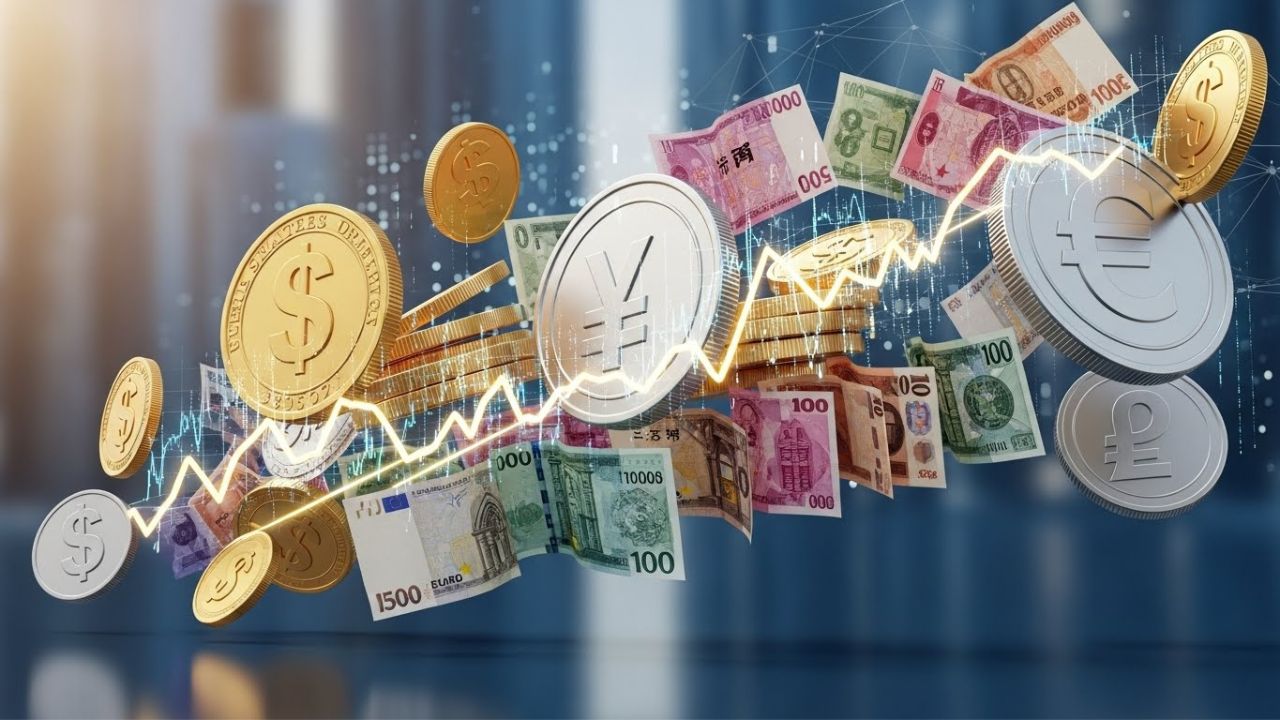
Introduction: Why Currency Matters More Than Ever
Currency is the foundation of modern economic systems. It allows people to exchange goods, measure value, store wealth, and conduct trade across borders. Without a shared form of money, large-scale commerce would be nearly impossible. From ancient coins to digital tokens, the way humans represent value has evolved dramatically over time.
In today’s globalized world, money is no longer limited to physical notes and coins. Digital payments, cryptocurrencies, and cashless transactions are reshaping how people interact with financial systems. Understanding how currency works is essential for navigating business, travel, investment, and everyday purchases.
The Historical Evolution of Currency
Long before modern money existed, people relied on barter systems. They exchanged goods and services directly—grain for tools, or livestock for clothing. While simple, barter had serious limitations. Finding someone who wanted exactly what you offered was often difficult.
To solve this problem, early civilizations introduced commodity money such as shells, salt, and precious metals. These items were rare, durable, and widely accepted. Eventually, coins were minted, making transactions easier and more standardized.
Paper money followed, first appearing in ancient China. Over time, governments began issuing banknotes backed by gold or silver reserves. Today, most countries use fiat money, meaning its value is based on trust in the issuing authority rather than physical assets.
Types of Currency Used Around the World
Physical Currency and Its Role
Physical money—banknotes and coins—remains widely used, especially in developing regions. It offers privacy, requires no technology, and works during power or network outages. For many people, tangible money feels more trustworthy and easier to manage.
However, carrying large amounts of cash can be risky. Theft, loss, and counterfeiting are persistent challenges. These limitations have encouraged the rise of digital alternatives.
Digital Currency and Electronic Payments
Digital transactions now dominate global commerce. Credit cards, mobile wallets, and online banking allow people to send and receive money instantly. These systems offer convenience, speed, and traceability.
In recent years, cryptocurrencies like Bitcoin and Ethereum have introduced decentralized money systems that operate without central banks. While highly volatile, they represent a major innovation in how value can be stored and transferred.
Many governments are also exploring Central Bank Digital Currencies (CBDCs). These aim to combine the stability of traditional money with the efficiency of blockchain-based systems.
How Currency Exchange Rates Work
Exchange rates determine how much one nation’s money is worth compared to another’s. These rates fluctuate based on supply and demand, economic performance, political stability, and interest rates.
For example, if a country has a strong economy and high exports, its money often becomes more valuable. On the other hand, inflation, debt, or political unrest can weaken a nation’s financial standing.
Travelers, investors, and businesses are all affected by exchange rates. A favorable rate can make exports cheaper and tourism more attractive, while an unfavorable one can increase import costs.
The Economic Impact of Currency Systems
Money is not just a medium of exchange—it is a tool for economic management. Governments use interest rates, money supply, and fiscal policies to control inflation and encourage growth.
When too much money is printed, inflation occurs. This reduces purchasing power and makes everyday goods more expensive. On the opposite end, deflation can slow economic activity by encouraging people to hoard money instead of spending it.
Stable financial systems build trust. When people believe their money will retain value, they are more likely to invest, save, and participate in the economy.
Currency and Global Trade
International trade depends heavily on stable financial systems. Countries use foreign exchange markets to convert money for imports and exports. The US dollar, euro, and British pound are among the most widely traded units.
A strong national monetary system can boost a country’s influence in global markets. Nations with reliable financial structures often attract foreign investment, creating jobs and economic opportunities.
Trade agreements, tariffs, and geopolitical tensions can all influence how money flows between countries. This makes financial policy a powerful tool in international relations.
The Psychological Value of Currency
Money is not just economic—it is emotional. People associate it with security, freedom, and success. How individuals spend, save, or invest is often shaped by personal experiences, upbringing, and cultural norms.
Behavioral economics studies how emotions influence financial decisions. For example, people may overspend when feeling stressed or save more when uncertain about the future.
Understanding this psychological side helps policymakers design better systems and allows individuals to manage their finances more wisely.
Challenges Facing Modern Currency Systems
Today’s financial systems face several major challenges:
-
Inflation: Rising prices reduce purchasing power.
-
Cybercrime: Digital transactions are vulnerable to hacking.
-
Economic inequality: Wealth gaps are widening.
-
Lack of access: Millions remain unbanked worldwide.
-
Volatility: Cryptocurrencies experience extreme price swings.
Solving these problems requires international cooperation, better regulation, and technological innovation.
The Future of Currency in a Digital World
The future of money is rapidly changing. Cashless societies are becoming more common, and blockchain technology is redefining trust in transactions.
Artificial intelligence is being used to detect fraud, automate banking services, and predict market trends. Biometric payments—using fingerprints or facial recognition—are also on the rise.
At the same time, concerns about privacy, data ownership, and digital surveillance are growing. The challenge will be to create systems that are both efficient and ethical.
How Currency Affects Everyday Life
From buying groceries to paying rent, financial systems touch every part of daily life. They influence where people live, what they eat, and how they plan for the future.
Even small changes—like interest rate adjustments—can affect loans, mortgages, and savings accounts. This is why financial literacy is so important.
When people understand how money works, they make better decisions, avoid debt traps, and build long-term security.
Conclusion: The Timeless Importance of Currency
Currency has evolved from simple trade tools into complex global systems that power economies and connect nations. It influences politics, technology, and social structures in ways most people never fully realize.
As digital innovation accelerates, financial systems will continue to transform. Those who understand these changes will be better prepared for the future.
In the end, money is more than numbers—it is a reflection of trust, cooperation, and shared value. Learning how it works is one of the most practical skills anyone can develop.