

Introduction: Understanding Environment-Pollution in the Modern World
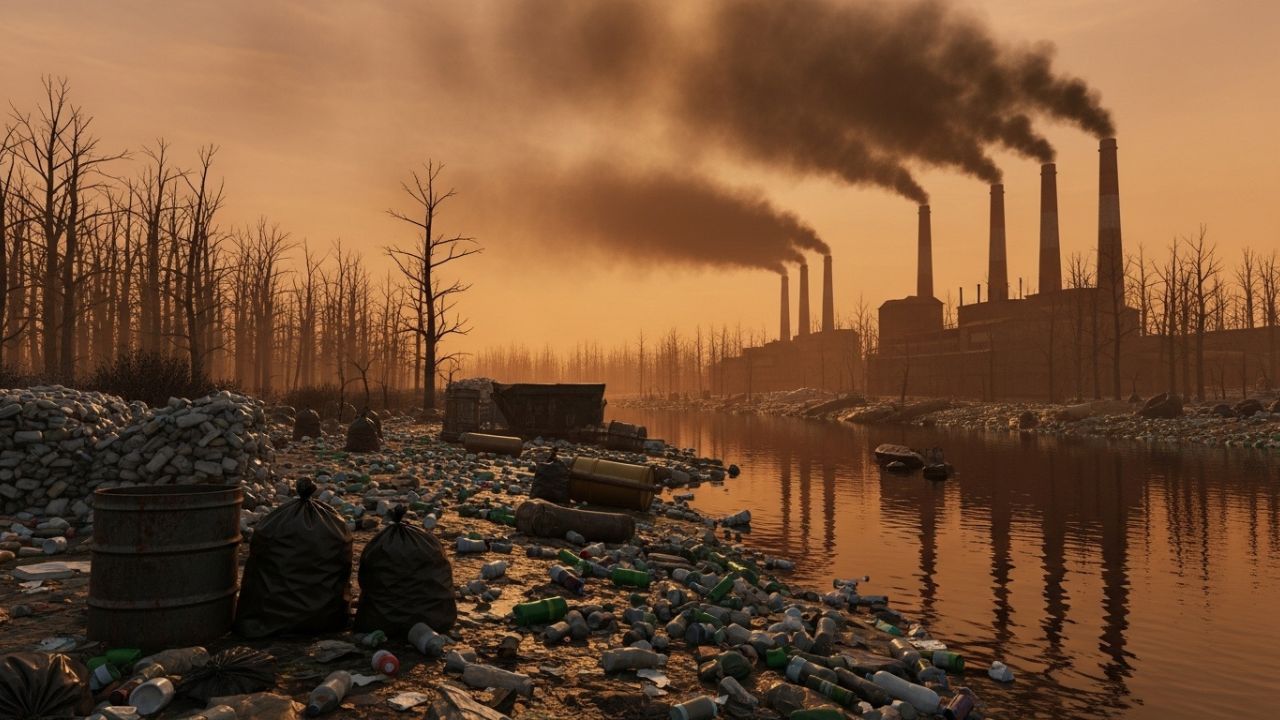
Environment-pollution has become one of the most critical global challenges of the 21st century. From toxic air in urban cities to plastic-filled oceans and contaminated drinking water, pollution affects every living being on Earth. Rapid industrial growth, urbanization, and irresponsible human activities have accelerated this crisis, putting ecosystems and human health at serious risk.
As populations grow and consumption increases, the natural balance of our planet is disturbed. This article explores the causes, types, consequences, and sustainable solutions related to environment-pollution, offering a comprehensive and up-to-date understanding of how we can protect our world.
What Is Environment-Pollution?
Environment-pollution refers to the introduction of harmful substances or energy into the natural environment, causing adverse changes to air, water, soil, and living organisms. These pollutants can be chemical, physical, or biological in nature.
Pollution disrupts natural cycles, damages biodiversity, and creates long-term environmental imbalances. Whether it is smog hanging over a city, oil spills in the ocean, or pesticide-contaminated soil, every form of pollution contributes to a decline in environmental quality.
Major Types of Environment-Pollution
1. Air Environment-Pollution
Air pollution occurs when harmful gases, particles, and chemicals are released into the atmosphere. Common sources include vehicle emissions, industrial smoke, burning fossil fuels, and forest fires.
Polluted air leads to respiratory diseases, heart problems, and climate change. Smog, acid rain, and greenhouse gases are all consequences of polluted air.
2. Water Environment-Pollution
Water pollution happens when toxic substances enter rivers, lakes, oceans, and groundwater. Industrial waste, sewage, oil spills, and agricultural runoff are major contributors.
Contaminated water affects aquatic life and makes water unsafe for drinking and irrigation. It also disrupts marine ecosystems and food chains.
3. Soil Environment-Pollution
Soil pollution occurs due to the excessive use of chemical fertilizers, pesticides, industrial waste dumping, and landfill leachate.
Polluted soil reduces crop productivity, contaminates food, and destroys microorganisms essential for healthy ecosystems.
4. Noise Environment-Pollution
Noise pollution is often overlooked but is equally harmful. It results from traffic, construction, industries, and loud public activities.
Continuous exposure to high noise levels can cause hearing loss, stress, sleep disturbances, and mental health problems.
5. Plastic and Solid Waste Pollution
Plastic waste is one of the fastest-growing environmental threats. Single-use plastics clog waterways, harm wildlife, and take hundreds of years to decompose.
Improper waste management contributes significantly to environment-pollution and poses long-term ecological risks.
Main Causes of Environment-Pollution
Industrialization
Factories release massive amounts of toxic gases, chemicals, and wastewater into the environment. Without proper regulations, industrial pollution becomes uncontrollable.
Urbanization
As cities expand, natural landscapes are replaced with concrete structures. This increases waste production, vehicle emissions, and energy consumption.
Deforestation
Cutting down forests eliminates natural air filters. Trees absorb carbon dioxide and release oxygen. Their removal worsens air quality and climate imbalance.
Overuse of Fossil Fuels
Coal, oil, and gas are major sources of pollution. Burning them releases harmful gases that contribute to global warming and acid rain.
Agricultural Practices
Chemical fertilizers and pesticides seep into soil and water systems, damaging biodiversity and contaminating food supplies.
Effects of Environment-Pollution on Human Health
Environment-pollution directly impacts human well-being. Polluted air can cause asthma, lung cancer, and heart diseases. Contaminated water spreads illnesses like cholera, typhoid, and dysentery.
Long-term exposure to toxins increases the risk of neurological disorders, hormonal imbalance, and weakened immune systems. Children and elderly people are especially vulnerable.
Mental health is also affected. Living in polluted areas can increase stress, anxiety, and depression due to constant exposure to unhealthy surroundings.
Impact of Environment-Pollution on Ecosystems
Pollution disrupts natural habitats and food chains. Marine animals mistake plastic for food, leading to starvation or death. Toxic chemicals accumulate in organisms, a process known as bioaccumulation.
Forests damaged by acid rain lose their ability to support life. Polluted soil affects plant growth, which impacts herbivores and predators alike.
In the long run, environment-pollution leads to biodiversity loss, ecosystem collapse, and irreversible environmental damage.
Climate Change and Environment-Pollution
Pollution and climate change are closely connected. Greenhouse gases like carbon dioxide and methane trap heat in the atmosphere, causing global warming.
Rising temperatures result in melting glaciers, sea-level rise, extreme weather, and unpredictable rainfall patterns. These changes threaten food security, freshwater supplies, and coastal communities.
Reducing pollution is one of the most effective ways to slow down climate change.
Modern Solutions to Reduce Environment-Pollution
Renewable Energy Adoption
Solar, wind, and hydropower generate electricity without harmful emissions. Shifting to renewable energy significantly reduces air and water pollution.
Sustainable Transportation
Electric vehicles, public transport, cycling, and walking reduce fuel consumption and harmful emissions.
Waste Reduction and Recycling
The 3Rs—Reduce, Reuse, Recycle—are essential tools in fighting pollution. Recycling conserves resources and prevents landfill overflow.
Eco-Friendly Farming
Organic farming minimizes the use of chemicals, protecting soil and water from contamination.
Strict Environmental Regulations
Governments must enforce pollution control laws and penalize industries that violate environmental standards.
Role of Individuals in Combating Environment-Pollution
Every person can make a difference. Small actions lead to big change:
-
Use reusable bags and bottles
-
Avoid single-use plastics
-
Save electricity and water
-
Plant trees
-
Support eco-friendly brands
-
Use public transportation
Raising awareness and educating others is equally important.
Technological Innovations for Pollution Control
Technology plays a vital role in reducing pollution. Air purifiers, wastewater treatment plants, and carbon capture systems are transforming how we manage waste.
Smart sensors monitor air and water quality in real time. Artificial intelligence helps predict pollution patterns, allowing preventive action.
Green technology is the future of environmental protection.
Importance of Environmental Education
Education empowers people with knowledge about sustainability. Schools, universities, and online platforms must teach eco-conscious habits.
When people understand the consequences of environment-pollution, they are more likely to adopt sustainable lifestyles.
A Sustainable Future: Is It Possible?
Yes, a pollution-free future is achievable if governments, businesses, and individuals work together. Sustainable development focuses on meeting current needs without compromising future generations.
Innovation, awareness, and responsibility are the pillars of a cleaner planet.
Conclusion: Taking Action Against Environment-Pollution
Environment-pollution is not just an environmental issue—it is a social, economic, and health crisis. If left unchecked, it will continue to destroy ecosystems and threaten human survival.
However, hope remains. With sustainable practices, technological advancements, and collective responsibility, we can reverse the damage.
The time to act is now. Every choice we make today shapes the world of tomorrow.