

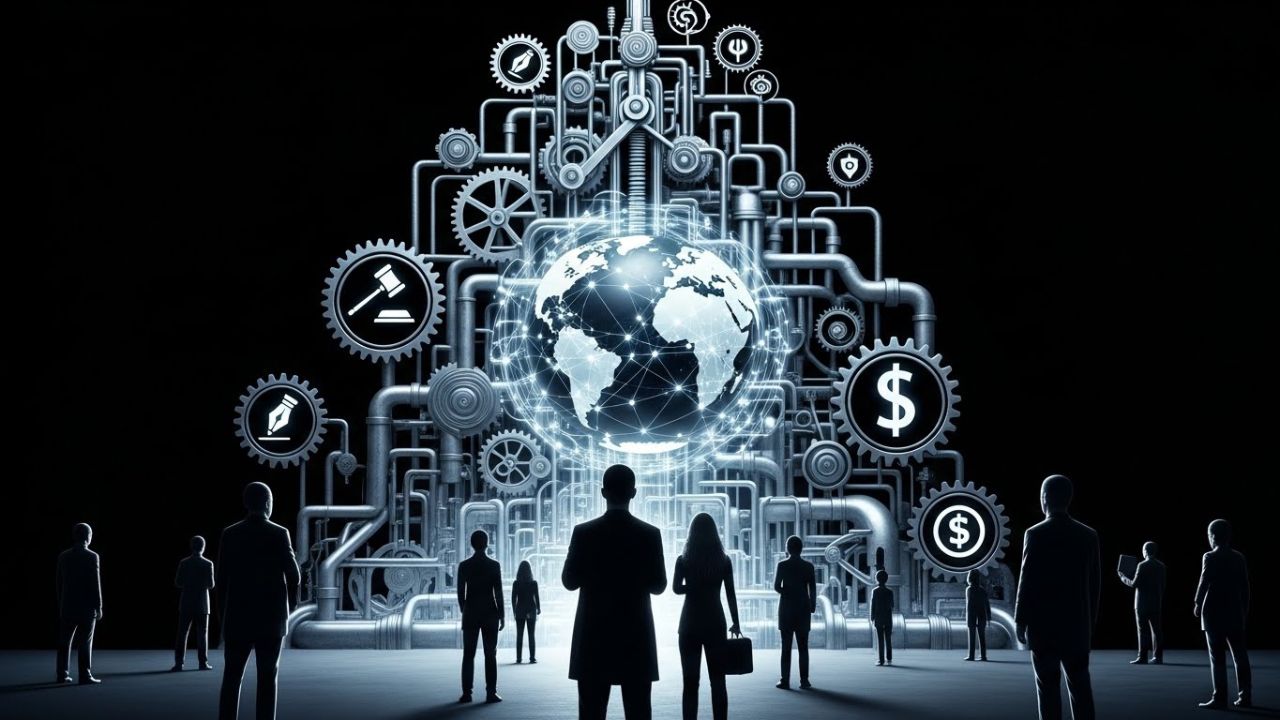
Introduction: Understanding the Role of Politics in Everyday Life
Politics is more than election campaigns, debates, or headlines—it is the system that shapes how societies function, how decisions are made, and how power is distributed. From education policies and healthcare systems to international relations and digital rights, political choices influence nearly every aspect of our lives. In today’s fast-changing world, understanding how politics works is no longer optional—it is essential for responsible citizenship.
Modern political systems have evolved alongside technological progress, globalization, and social movements. What once relied on town halls and printed newspapers now spreads instantly through social media and digital platforms. As a result, people are more connected to political issues than ever before, yet misinformation and polarization have also increased. This article explores the foundations, types, and future of politics while highlighting its role in shaping our shared future.
The Historical Evolution of Politics
Politics did not appear overnight. Early civilizations developed leadership systems to manage resources, settle disputes, and organize societies. Ancient Greece introduced the idea of democracy, where citizens participated directly in decision-making. Meanwhile, empires like Rome used structured governance models that influenced modern political frameworks.
During the Middle Ages, monarchies dominated much of the world, often claiming divine authority. Over time, revolutions in America, France, and other regions challenged absolute rule, giving birth to constitutional governments and modern democracies. These movements emphasized freedom, equality, and representation—values that continue to shape contemporary politics.
In the 20th century, global conflicts, ideological battles, and decolonization further reshaped political structures. Today, nations operate under diverse systems, including democracies, republics, monarchies, and hybrid models.
Types of Political Systems Around the World
Democracy and Its Influence on Politics
Democracy remains one of the most discussed political systems. It allows citizens to vote, express opinions, and hold leaders accountable. Countries practicing democratic governance often emphasize transparency, freedom of speech, and civil rights.
However, democracy is not without challenges. Voter apathy, corruption, and misinformation can weaken trust in institutions. Still, many believe it offers the most balanced way to represent diverse populations.
Authoritarian and Hybrid Models
Not all countries follow democratic principles. Authoritarian systems concentrate power in the hands of a few individuals or institutions. These governments often prioritize stability and control but may limit personal freedoms.
Hybrid systems combine elements of both democracy and authoritarian rule. They may hold elections but restrict media freedom or opposition activities. Understanding these variations is crucial to grasping how global politics truly operates.
How Politics Shapes Society
Every law, tax policy, or public service is rooted in political decision-making. Education standards, healthcare access, environmental protection, and labor laws all reflect the priorities of those in power.
Politics also plays a role in shaping cultural values. Leaders influence public discourse, national identity, and even how history is remembered. When political systems prioritize inclusion, societies often become more equitable. When they favor division, social tensions increase.
At its core, politics is about choices—what a society chooses to invest in, protect, or reform.
The Role of Media in Modern Politics
The relationship between politics and media has transformed dramatically. In the past, people relied on newspapers and television. Today, news spreads instantly through social platforms, podcasts, and independent blogs.
This rapid flow of information empowers citizens but also creates challenges. Fake news, manipulated content, and algorithm-driven echo chambers can distort reality. As a result, people often consume information that reinforces existing beliefs rather than encouraging critical thinking.
Responsible journalism and media literacy are now vital. When citizens learn to verify sources and analyze information critically, they become more informed participants in political processes.
Digital Technology and the Future of Politics
Technology has redefined how people engage with politics. Online campaigns, digital voting experiments, and virtual town halls have expanded participation. Social media allows individuals to share opinions, mobilize supporters, and challenge authority instantly.
Artificial intelligence, data analytics, and blockchain are also beginning to influence political systems. While these tools offer efficiency, they raise concerns about privacy, surveillance, and manipulation.
As technology advances, governments must balance innovation with ethical responsibility. The future of politics will likely depend on how well societies manage this balance.
Global Politics and International Relations
In a connected world, no country exists in isolation. Trade agreements, climate negotiations, and security alliances shape global stability. Organizations like the United Nations, World Bank, and regional unions play major roles in maintaining cooperation.
Global politics also involves competition for influence, resources, and technological dominance. Cybersecurity, climate change, and pandemics have become central international concerns, requiring cooperation rather than conflict.
Diplomacy remains a powerful tool. When nations engage in dialogue instead of hostility, they create opportunities for peace and development.
The Importance of Citizen Participation in Politics
Active citizens are the backbone of any political system. Voting, protesting, volunteering, and engaging in discussions all contribute to accountability and reform.
Many young people today feel disconnected from traditional political institutions. However, grassroots movements and online activism show that change often starts from the bottom. When individuals believe their voices matter, societies become more resilient.
Education plays a key role here. Teaching people about rights, responsibilities, and critical thinking helps them navigate complex political environments.
Ethics, Responsibility, and Leadership
Leadership defines the direction of politics. Ethical leaders prioritize fairness, transparency, and public welfare. Unfortunately, history also shows that misuse of power can lead to oppression and conflict.
Responsible governance requires checks and balances, independent courts, and free media. These systems prevent the concentration of power and protect citizens’ rights.
When ethics guide political decisions, trust grows. Without trust, even the most powerful institutions lose legitimacy.
Challenges Facing Politics Today
Modern politics faces several major challenges:
-
Polarization: Deep divisions make compromise difficult.
-
Misinformation: False narratives spread rapidly.
-
Economic inequality: Unequal access to resources fuels unrest.
-
Climate change: Requires global cooperation.
-
Declining trust: Many people feel disconnected from leaders.
Solving these problems requires collaboration between governments, civil society, and individuals. No single solution exists, but collective effort can create meaningful change.
Conclusion: Why Politics Will Always Matter
Politics is not just about power—it is about people. It defines how societies organize, protect rights, and plan for the future. Whether through voting, activism, or informed discussions, every individual plays a role in shaping the political landscape.
As the world becomes more complex, the need for transparent, inclusive, and ethical governance becomes even more important. By understanding how politics works, citizens can move beyond frustration and toward meaningful participation.
In the end, politics is not something that happens to us—it is something we create together.