

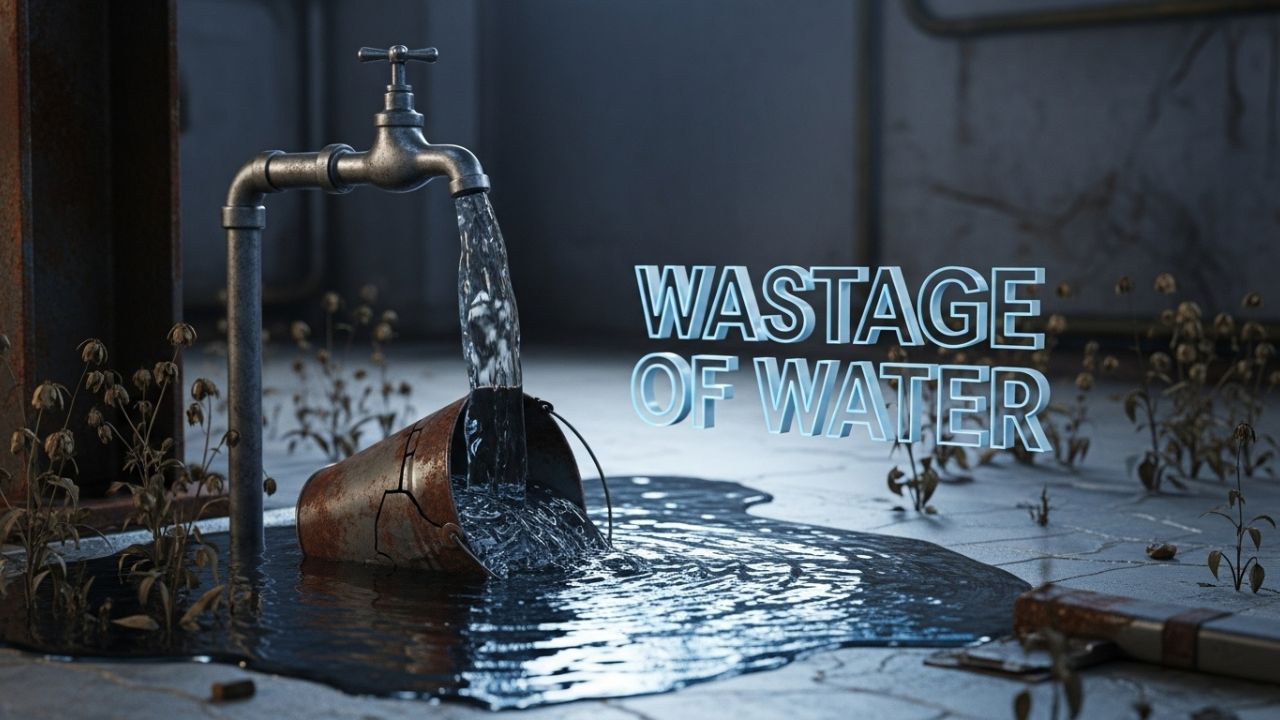
Introduction: Why WastageofWater Is a Global Crisis
Wastageofwater has become one of the most alarming environmental and social challenges of our time. Although water covers a large portion of our planet, only a small percentage of it is safe for human use. Despite this limitation, millions of liters of freshwater are wasted every day due to careless habits, inefficient systems, and lack of awareness.
From leaking taps in homes to excessive irrigation in agriculture, water is often misused without considering its long-term impact. As populations rise and climate patterns change, water scarcity is becoming more common. Understanding the seriousness of this issue is the first step toward meaningful change.
What Is WastageofWater?
Wastageofwater refers to the unnecessary or inefficient use of freshwater that leads to its loss without meaningful purpose. This includes water that is left running, polluted beyond use, or distributed through faulty infrastructure.
Water wastage occurs at multiple levels—individual, industrial, agricultural, and governmental. While some loss is unavoidable, a significant portion can be prevented through better management, technology, and responsible behavior.
Common Causes of WastageofWater
Household Negligence
One of the most common sources of water loss comes from daily household activities. Leaving taps running while brushing teeth, washing cars with hoses, and ignoring leaking pipes can waste hundreds of liters each month.
Many people underestimate how much water is lost through small actions repeated daily.
Agricultural Inefficiency
Agriculture is the largest consumer of freshwater globally. Traditional irrigation methods, such as flood irrigation, cause massive water loss through evaporation and runoff.
Lack of modern irrigation systems and poor water management strategies significantly increase wastage.
Industrial Mismanagement
Industries use water for cooling, cleaning, processing, and manufacturing. Without recycling systems or proper monitoring, huge quantities of water are discarded after a single use.
Leaky Infrastructure
Old pipelines, damaged water mains, and poorly maintained supply systems lead to massive water losses before it even reaches consumers.
Lack of Awareness
Many people are unaware of how serious water scarcity has become. Without education and awareness, wasteful habits continue.
Environmental Effects of WastageofWater
Depletion of Freshwater Resources
Freshwater sources like rivers, lakes, and aquifers are shrinking. Overuse and waste prevent natural replenishment.
Damage to Ecosystems
When water levels drop, aquatic life suffers. Fish populations decline, wetlands dry up, and biodiversity decreases.
Soil Degradation
Over-irrigation washes away nutrients from soil, making it less fertile and more prone to erosion.
Climate Imbalance
Water plays a key role in regulating climate. Its imbalance contributes to droughts, floods, and unpredictable weather patterns.
Social and Economic Impacts of WastageofWater
Water Scarcity
In many regions, people walk miles to fetch drinking water. Wasting water in one area often leads to shortages in another.
Health Risks
Lack of clean water increases the spread of diseases such as cholera, typhoid, and dysentery.
Increased Costs
Treating, pumping, and distributing water requires energy and money. Waste increases utility bills and public spending.
Food Insecurity
Agriculture depends on water. Shortages reduce crop production, increasing food prices and hunger.
WastageofWater in Urban Areas
Overuse in Daily Routines
Urban lifestyles often involve long showers, frequent car washing, and excessive lawn watering.
Commercial Losses
Hotels, malls, and office buildings consume large volumes of water daily. Poor monitoring results in avoidable losses.
Construction Practices
Water is heavily used in construction, often without recycling or efficiency measures.
WastageofWater in Rural and Farming Communities
Outdated Irrigation Methods
Flood irrigation wastes more than half the water used. Much of it evaporates or drains away.
Poor Storage
Open ponds and unlined canals allow seepage and evaporation.
Lack of Technology
Many farmers lack access to water-saving tools like drip irrigation and moisture sensors.
How Technology Can Reduce WastageofWater
Smart Water Meters
These devices track real-time usage and detect leaks instantly.
Automated Irrigation Systems
These systems deliver water only when and where it is needed.
Water Recycling Plants
Wastewater can be treated and reused for cleaning, irrigation, and industrial processes.
Desalination Innovations
Turning seawater into drinkable water is becoming more affordable and efficient.
Role of Governments in Preventing WastageofWaterStrong Policies
Strict laws against illegal water usage and pollution reduce misuse.
Infrastructure Investment
Upgrading pipelines and storage systems prevents leaks and losses.
Public Awareness Campaigns
Educating citizens helps build responsible water habits.
Subsidies for Water-Saving Devices
Encouraging people to use low-flow showers, dual-flush toilets, and efficient appliances reduces daily waste.
How Individuals Can Stop WastageofWater
Small actions create big change. Here’s how individuals can help:
-
Turn off taps when not in use
-
Fix leaks immediately
-
Use buckets instead of hoses
-
Harvest rainwater
-
Reuse water where possible
-
Choose water-efficient appliances
Conscious usage today ensures availability tomorrow.
Educational Importance of Water Conservation
Teaching children about water conservation from an early age builds lifelong habits. Schools, media, and community programs should emphasize the value of every drop.
Education empowers people to become part of the solution.
Future Risks If WastageofWater Continues
If waste continues unchecked, the future could face:
-
Severe global water shortages
-
Increased conflicts over water
-
Collapse of ecosystems
-
Rising food insecurity
-
Health crises
Preventing this future requires immediate action.
Building a Sustainable Water Culture
Sustainability begins with mindset. Treating water as a limited and valuable resource changes how we use it.
Communities that adopt sustainable water practices experience better health, stronger economies, and stable ecosystems.
Conclusion: Time to Act Against WastageofWater
Wastageofwater is not just an environmental issue—it is a threat to humanity’s future. Every wasted drop today could mean suffering tomorrow.
Fortunately, solutions already exist. Through awareness, technology, strong policies, and personal responsibility, we can drastically reduce waste.
The future of water depends on the choices we make today. Let us choose wisely.