

Introduction
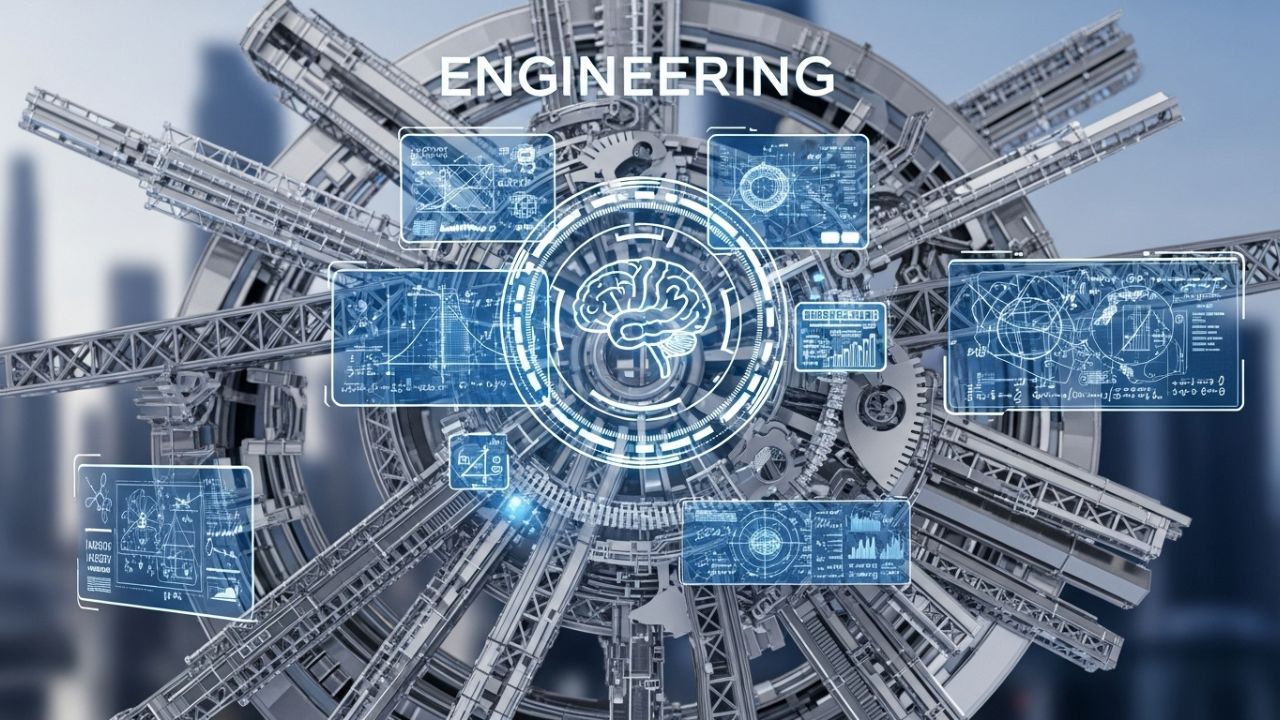
Engineering is the foundation of modern civilization, influencing nearly every aspect of daily life. From transportation systems and medical devices to digital platforms and renewable energy, engineering transforms ideas into functional solutions. In a rapidly evolving world, engineering continues to bridge creativity with scientific knowledge to solve complex problems and improve global living standards.
This article explores in depth, highlighting its branches, significance, modern advancements, challenges, and future potential in a way that is informative, practical, and easy to understand.
What Is Engineering and Why Does It Matter?
Engineering is the application of scientific principles, mathematics, and creativity to design, develop, and maintain systems, structures, and technologies. It focuses on turning theoretical concepts into real-world applications that meet human needs.
The importance lies in its problem-solving nature. Engineers identify challenges, analyze constraints, and create efficient, safe, and sustainable solutions that support economic growth and societal development.
Major Branches Explained
Civil Engineering and Infrastructure Development
Civil engineering deals with the design and construction of roads, bridges, buildings, and water systems. It ensures that infrastructure is safe, durable, and capable of supporting growing populations.
Mechanical Engineering and Industrial Innovation
Mechanical engineering focuses on machines, tools, and mechanical systems. It plays a vital role in manufacturing, automotive design, robotics, and energy systems.
Electrical Engineering in a Digital World
Electrical involves power generation, electronics, and communication systems. This field supports modern technologies such as smart grids, telecommunications, and automation.
Computer Engineering and Software Integration
Computer engineering combines hardware and software development. It drives advancements in artificial intelligence, cloud computing, and cybersecurity.
Chemical Engineering in Process Design
Chemical engineering applies chemistry and physics to create efficient production processes in industries such as pharmaceuticals, food processing, and materials manufacturing.
Engineering Skills Required for Success
Technical Knowledge
Strong mathematical and scientific understanding is essential. Analytical thinking helps engineers evaluate designs and optimize performance.
Creativity and Problem Solving
Engineering is not only technical but also creative. Innovative thinking allows engineers to develop unique solutions under real-world constraints.
Communication and Teamwork
Engineers often work in multidisciplinary teams. Clear communication ensures collaboration between designers, technicians, and stakeholders.
The Role of Engineering in Everyday Life
Engineering impacts daily life in countless ways. Transportation systems rely for safety and efficiency. Healthcare benefits from engineered medical devices and diagnostic tools. Communication technologies, powered by engineering, connect people worldwide instantly.
Without engineering, modern conveniences such as clean water, electricity, and digital connectivity would not be possible.
Modern Trends Transforming Engineering
Sustainable Engineering Practices
Sustainability has become a core focus. Renewable energy systems, green buildings, and eco-friendly materials are shaping future development.
Artificial Intelligence and Smart Systems
AI and machine learning are transforming by enabling predictive maintenance, automation, and intelligent design optimization.
Engineering in Space and Advanced Research
Space exploration and advanced research depend heavily innovation. Satellites, space stations, and exploration vehicles are examples of cutting-edge achievements.
Challenges Faced
Engineering faces challenges such as rapid technological change, ethical responsibilities, and environmental concerns. Engineers must balance innovation with safety, cost, and sustainability while adhering to strict regulations.
Keeping skills updated is also essential, as evolving technologies demand continuous learning and adaptation.
Career Opportunities
Engineering offers diverse career paths across industries including construction, healthcare, energy, information technology, and aerospace. Engineers can work in research, design, management, or entrepreneurship.
With growing global demand, careers provide stability, growth potential, and opportunities to make a meaningful impact.
Future
The future lies in interdisciplinary collaboration and advanced technology. Smart cities, renewable energy solutions, and digital transformation will depend expertise. As global challenges increase, will remain essential in creating resilient and innovative solutions.
How to Start a Career
-
Choose a specialization aligned with interests
-
Develop strong analytical and technical skills
-
Gain hands-on experience through projects and internships
-
Stay updated with industry trends and certifications
-
Focus on ethical and sustainable practices
Conclusion
Engineering continues to shape the modern world by transforming ideas into practical solutions. Its influence spans industries, improves quality of life, and drives innovation. With evolving technologies and global challenges, remains one of the most impactful and future-oriented fields.
For individuals passionate about problem-solving and creativity, offers endless opportunities to build a better future.