

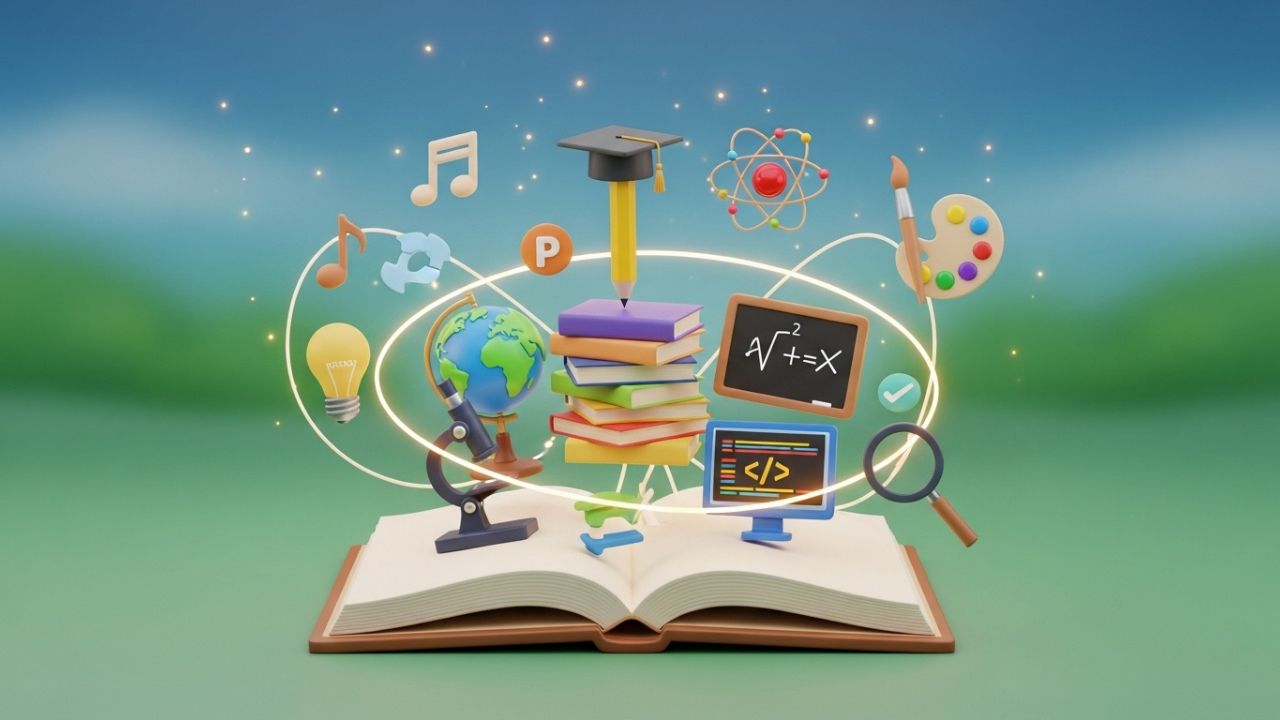
Introduction to Education
Education is the cornerstone of every successful society, influencing how individuals think, grow, and contribute to the world around them. From early childhood learning to advanced professional training, the process of gaining knowledge empowers people with skills, confidence, and purpose. In today’s fast-changing global environment, learning is no longer limited to classrooms; it has expanded into digital platforms, practical experiences, and lifelong development. Understanding the value of structured learning helps explain why nations that invest in strong systems consistently achieve higher economic and social progress.
The Meaning and Importance of Education
At its simplest level, education refers to the process of acquiring knowledge, skills, values, and habits that shape human behavior. However, its impact goes far beyond textbooks and exams. It teaches critical thinking, communication, and problem-solving abilities that are essential for everyday life.
A well-informed population strengthens democracy, reduces poverty, and improves living standards. People who receive quality instruction often secure better employment opportunities, contribute to innovation, and support their communities. Because of this, learning remains one of the most powerful tools for both personal and national advancement.
Historical Development of Education
Early Forms of Education
In ancient times, learning was informal and passed down through storytelling and observation. Parents and elders taught survival skills, farming techniques, and cultural traditions. As civilizations developed, structured systems began to appear, especially in places like Greece, Egypt, and China.
Traditional School Systems
Over time, schools became organized institutions where teachers guided students through reading, writing, mathematics, and philosophy. Religious institutions often played a major role in shaping early curricula. These systems laid the foundation for modern classrooms.
Modern Education Expansion
The industrial revolution changed everything. Countries realized that trained workers were necessary for economic growth. As a result, public schooling became widespread, and governments introduced policies to ensure access for all children. Today, learning continues to evolve with technology and global collaboration.
Types of Education in Today’s World
Formal Education
Formal learning takes place in schools, colleges, and universities with structured curricula and certification. It follows clear stages such as primary, secondary, and higher studies. This pathway prepares individuals for careers and professional growth.
Informal Education
Not all learning happens in classrooms. Informal experiences—such as reading books, watching documentaries, or learning from family—also play a significant role. These activities encourage creativity and personal interests.
Online and Digital Education
Technology has introduced new ways to gain knowledge. Online courses, virtual classrooms, and educational apps allow students to learn anytime and anywhere. This flexibility makes learning accessible to people who previously lacked opportunities.
Role of Education in Personal Development
Learning shapes character and confidence. It improves communication skills, helping individuals express ideas clearly and respectfully. It also teaches discipline, responsibility, and teamwork.
When people understand different cultures and perspectives, they become more tolerant and open-minded. This emotional growth supports healthy relationships and stronger communities. In addition, intellectual development encourages innovation, enabling people to solve problems creatively.
Education and Economic Growth
How Education Supports Employment
A skilled workforce drives economic progress. Employers look for candidates who possess technical expertise, critical thinking abilities, and adaptability. Proper training equips individuals with these qualities, increasing their chances of stable employment.
Education and Entrepreneurship
Learning also promotes entrepreneurship. People with business knowledge and practical skills can start their own companies, creating jobs for others. Small businesses contribute significantly to national economies.
Reducing Poverty Through Education
Access to quality instruction breaks the cycle of poverty. Families with educated members often earn higher incomes and enjoy better healthcare. This improvement benefits future generations as well.
Challenges Facing Education Systems
Despite its importance, many countries still struggle to provide equal opportunities. Limited funding, overcrowded classrooms, and outdated teaching methods reduce effectiveness. In some regions, children cannot attend school due to poverty or conflict.
Another issue is the gap between traditional curricula and modern job requirements. Students may graduate without the practical skills needed in today’s workforce. Addressing these challenges requires policy changes, better training for teachers, and improved infrastructure.
Technology Transforming Education
Digital Tools in Education
Computers, tablets, and smart boards have transformed classrooms. Interactive lessons make subjects more engaging, while online research expands knowledge beyond textbooks. Students can collaborate with peers worldwide through virtual platforms.
Artificial Intelligence in Education
Artificial intelligence now personalizes learning. Adaptive software analyzes performance and adjusts lessons to match individual needs. This approach helps students progress at their own pace.
Distance Education Opportunities
Remote learning became especially important during global disruptions. It allows continuity even when physical attendance is impossible. This flexibility ensures that learning never stops.
The Role of Teachers in Education
Teachers remain the heart of every system. Their guidance, encouragement, and expertise shape students’ futures. Beyond delivering lessons, they mentor, inspire, and support emotional growth.
Continuous training helps educators stay updated with modern methods. When teachers are motivated and well-equipped, students benefit significantly. Investing in teacher development is therefore essential for long-term success.
Future Trends in Education
The future of learning looks dynamic and innovative. Skills such as coding, data analysis, and critical thinking are becoming more important than memorization. Project-based learning encourages real-world problem solving.
Sustainability and global citizenship are also gaining attention. Schools aim to prepare responsible individuals who care about the environment and society. Lifelong learning is becoming the norm, as adults continue upgrading their skills throughout their careers.
Conclusion
Education remains one of the most powerful forces shaping individuals and societies. It builds knowledge, strengthens economies, and promotes equality. From ancient storytelling traditions to modern digital platforms, learning has continuously evolved to meet changing needs.
As the world advances, investing in strong systems will remain essential. By improving access, embracing technology, and supporting teachers, societies can ensure brighter futures for their citizens. Ultimately, learning is not just about earning degrees—it is about empowering people to create meaningful, successful lives.