

Introduction
In a world driven by accuracy and data, kalibraatio plays a vital role in ensuring reliable measurements across industries. From advanced technology and healthcare to manufacturing and scientific research, calibration is the foundation of trust in measurements. As digital systems become more precise, understanding kalibraatio has become increasingly important for professionals and everyday users alike. This article explores the meaning, purpose, and real-world applications in a clear and informative way.
What Is Kalibraatio?
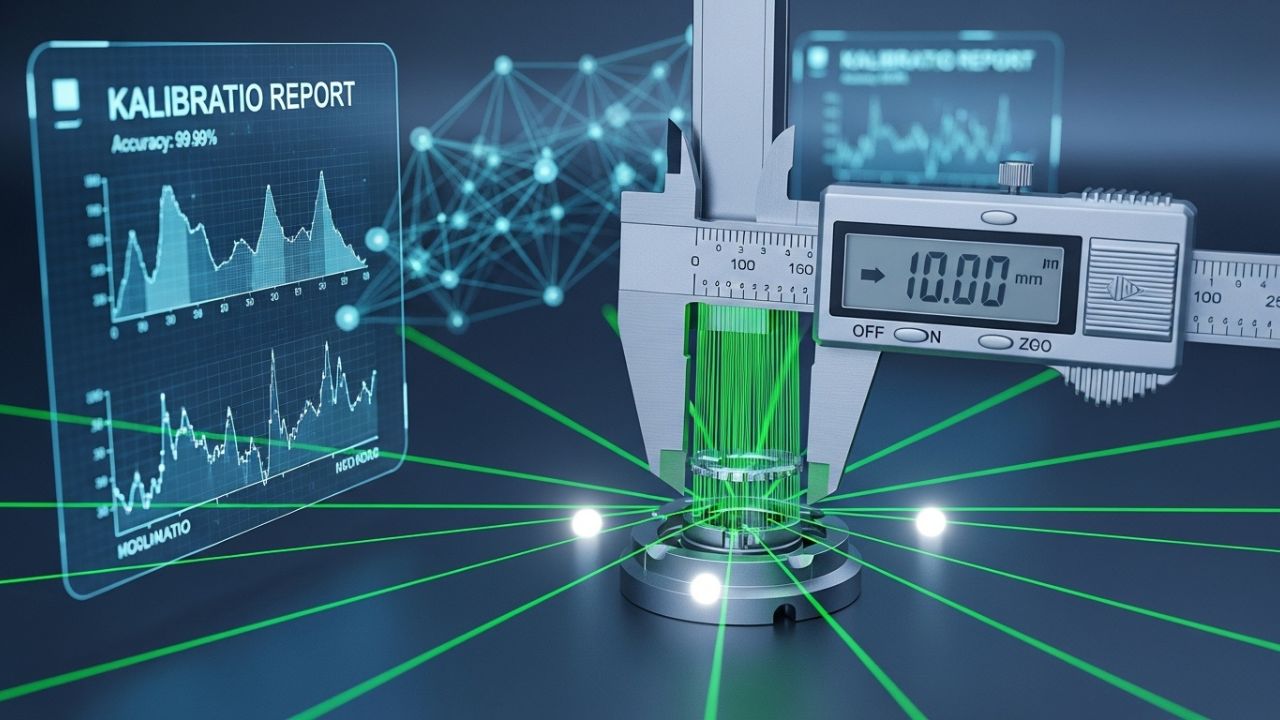
Kalibraatio refers to the process of adjusting and verifying the accuracy of a measuring device by comparing it with a known reference standard. The goal is to ensure that measurements remain consistent, accurate, and reliable over time.
Measurement instruments can drift due to environmental conditions, wear, or repeated use. Kalibraatio corrects these deviations and confirms that the device performs within acceptable limits.
Why Kalibraatio Is Important
Ensuring Measurement Accuracy
Accurate measurements are essential in many fields. Kalibraatio helps maintain confidence in data by reducing errors that could lead to incorrect decisions or outcomes.
Maintaining Quality Standards
Many industries rely on strict quality control systems. Regular ensures compliance with international standards and supports consistent product quality.
Improving Safety and Reliability
In sectors such as healthcare, aviation, and engineering, inaccurate measurements can lead to serious risks. Kalibraatio reduces these risks by ensuring instruments perform correctly.
Kalibraatio in Different Industries
Kalibraatio in Manufacturing
In manufacturing, kalibraatio ensures machines and tools operate within precise tolerances. Accurate measurements help reduce waste, improve efficiency, and maintain product consistency.
Kalibraatio in Healthcare
Medical devices such as blood pressure monitors, thermometers, and diagnostic equipment rely on proper kalibraatio. Accurate readings are essential for correct diagnosis and patient safety.
Kalibraatio in Science and Research
Scientific experiments depend on precise data. ensures that research instruments produce reliable and repeatable results, which is critical for scientific credibility.
Kalibraatio in Information Technology
In IT and electronics, kalibraatio is used to fine-tune displays, sensors, and testing equipment. This improves performance and ensures systems behave as expected.
How the Kalibraatio Process Works
Reference Standards
Kalibraatio begins by comparing a device with a trusted reference standard that has known accuracy. This standard serves as the benchmark for evaluation.
Measurement Comparison
The instrument under test is measured against the reference. Any difference between the two is identified and recorded.
Adjustment and Verification
If discrepancies are found, the device is adjusted. After adjustment, further checks confirm that the instrument now meets accuracy requirements.
Types
Mechanical Kalibraatio
Mechanical kalibraatio focuses on tools such as scales, pressure gauges, and torque wrenches. These devices require periodic checks due to physical wear.
Electrical Kalibraatio
Electrical kalibraatio applies to instruments measuring voltage, current, and resistance. This is especially important in laboratories and industrial settings.
Temperature Kalibraatio
Temperature sensors and thermometers require kalibraatio to ensure accuracy under varying environmental conditions.
How Often Should Kalibraatio Be Performed?
The frequency of kalibraatio depends on several factors, including usage, environmental exposure, and industry regulations. Instruments used daily or in critical applications often require more frequent calibration.
Regular calibration schedules help prevent unexpected errors and extend the lifespan of equipment.
Benefits of Regular Kalibraatio
Increased Confidence in Data
Accurate measurements lead to better decision-making. Kalibraatio ensures data can be trusted.
Cost Savings Over Time
Early detection of measurement drift prevents costly errors, rework, or equipment failure.
Compliance With Regulations
Many industries are required to follow calibration standards. Regular kalibraatio supports regulatory compliance and audit readiness.
Kalibraatio and Quality Management Systems
Quality management frameworks often include as a core requirement. Proper documentation of calibration activities supports traceability and accountability.
Organizations that prioritize calibration demonstrate a commitment to precision and professionalism.
Common Misconceptions
Some believe is only necessary when equipment fails. In reality, calibration is preventive, not reactive. Others assume new instruments do not need calibration, but even new devices require verification before use.
Understanding these misconceptions helps organizations maintain higher measurement standards.
Future
As technology advances, is becoming more automated and data-driven. Digital calibration systems and smart sensors allow faster adjustments and improved monitoring.
In the future, predictive calibration models may reduce downtime and further enhance measurement accuracy across industries.
Why It Matters More Than Ever
In an increasingly data-focused world, accuracy is non-negotiable. ensures that measurements support innovation, safety, and trust. Whether in science, healthcare, or industry, calibration remains a critical component of modern systems.
Final Thoughts
In conclusion, is essential for maintaining accuracy, reliability, and safety in measurement systems. Its role spans multiple industries and continues to evolve with technological progress.
By understanding the principles and benefits of calibration, individuals and organizations can ensure higher standards of quality and performance. is not just a technical process—it is a foundation for precision in today’s modern world.