

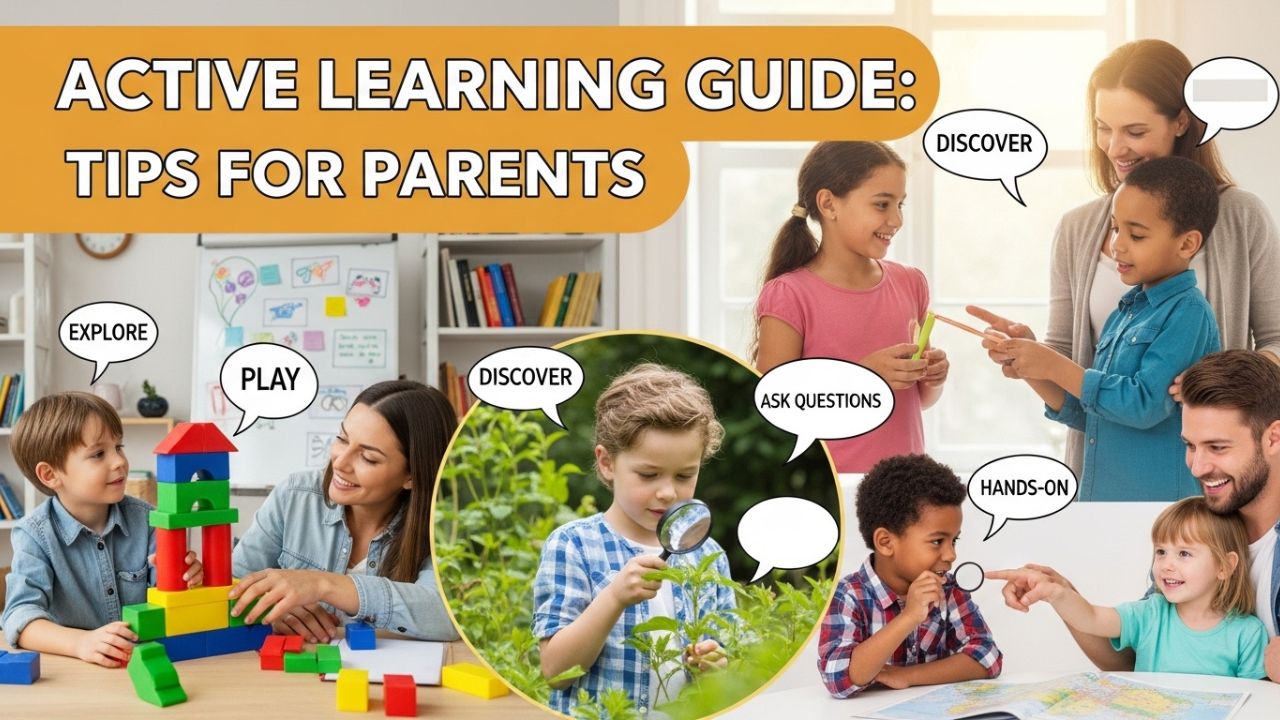
Introduction
The concept of active learning guide fparentips has gained significant attention in modern education due to its ability to transform passive study routines into dynamic and engaging learning experiences. Instead of simply reading or memorizing information, active learning encourages individuals to participate, think critically, and apply knowledge in real-life situations.
Parents and educators are increasingly adopting strategies from the active learning guide fparentips framework to help children develop deeper understanding and long-term retention. This approach is not only beneficial for academic success but also for building confidence, curiosity, and independent thinking skills.
What is Active Learning Guide Fparentips?
The active learning guide fparentips refers to a structured method that emphasizes hands-on learning, participation, and interaction. It moves beyond traditional teaching techniques by involving learners directly in the process.
Rather than passively consuming information, learners:
- Ask questions
- Solve problems
- Engage in discussions
- Practice real-world applications
This guide is especially useful for parents who want to support their children’s education at home in a meaningful and effective way.
Why Active Learning Guide Fparentips Matters in Modern Education
In today’s fast-paced world, simply memorizing facts is no longer enough. The active learning guide fparentips plays a crucial role in helping learners adapt to modern challenges.
Improves Knowledge Retention
Studies show that students remember more when they actively engage with the material. Activities like discussions and problem-solving strengthen memory connections.
Enhances Critical Thinking
The active learning guide fparentips promotes questioning and analysis, helping learners develop reasoning skills that are essential in everyday life.
Boosts Engagement
Children often lose interest in passive learning. Active techniques make lessons more interactive and enjoyable.
Builds Confidence
When learners participate actively, they gain confidence in expressing ideas and solving problems independently.
Key Principles of Active Learning Guide Fparentips
Understanding the core principles behind the active learning guide fparentips can help parents and educators implement it effectively.
1. Learning by Doing
Children learn best when they are involved in activities rather than just observing. Practical tasks reinforce concepts more effectively than lectures.
2. Encouraging Questions
Curiosity drives learning. The guide emphasizes allowing children to ask questions and explore answers on their own.
3. Collaboration
Group discussions and teamwork are important elements of the active learning guide fparentips, helping learners understand different perspectives.
4. Reflection
Taking time to think about what has been learned helps strengthen understanding and identify areas for improvement.
Practical Strategies from Active Learning Guide Fparentips
Implementing the active learning guide fparentips at home or in classrooms doesn’t require complex tools. Simple strategies can make a big difference.
Interactive Discussions
Encourage children to explain what they have learned. Asking open-ended questions helps deepen understanding.
Problem-Solving Activities
Give real-life problems related to lessons. This allows learners to apply knowledge practically.
Use of Visual Aids
Charts, diagrams, and videos can make learning more engaging and easier to understand.
Teaching Others
One of the most effective techniques in the active learning guide is asking learners to teach someone else. This reinforces their own understanding.
Role of Parents in Active Learning Guide
Parents play a vital role in implementing the active learning fparentips at home. Their involvement can significantly influence a child’s learning journey.
Create a Supportive Environment
Provide a space where children feel comfortable asking questions and expressing ideas.
Encourage Exploration
Allow children to explore topics beyond textbooks. This nurtures curiosity and independent learning.
Be a Learning Partner
Instead of acting as a strict instructor, parents should engage as partners in the learning process.
Provide Positive Feedback
Encouragement boosts motivation and helps children stay engaged with active learning methods.
Benefits for Students
The active learning guide fparentips offers numerous benefits that go beyond academic performance.
Better Understanding of Concepts
Active participation helps learners grasp complex topics more easily.
Improved Communication Skills
Engaging in discussions enhances speaking and listening abilities.
Higher Motivation Levels
Interactive learning keeps students interested and motivated.
Development of Lifelong Skills
Critical thinking, problem-solving, and collaboration are skills that benefit learners throughout life.
Challenges in Applying Active Learning Guide
While the active learning guide fparentips is highly effective, it may come with some challenges.
Time Constraints
Active learning activities may take more time compared to traditional methods.
Lack of Awareness
Some parents and educators may not fully understand how to implement these techniques.
Initial Resistance
Children who are used to passive learning might take time to adapt.
However, with patience and consistency, these challenges can be overcome successfully.
Tips to Maximize Results
To get the best outcomes from the active learning fparentips, consider the following tips:
- Start with small changes and gradually introduce more activities
- Keep sessions interactive and fun
- Adapt methods based on the child’s learning style
- Use real-life examples to make lessons relatable
- Encourage regular feedback and reflection
Consistency is key when applying these strategies effectively.
Future of Education
The future of education is shifting towards more interactive and student-centered approaches. The active learning fparentips aligns perfectly with this transformation.
With the rise of digital tools and online learning platforms, active learning methods are becoming even more accessible. Virtual simulations, educational apps, and collaborative tools are enhancing the way learners engage with content.
This approach is not just a trend but a long-term solution for improving educational outcomes globally.
Conclusion
The active learning fparentips provides a powerful framework for improving how children learn and grow academically. By focusing on engagement, participation, and practical application, it transforms traditional learning into a meaningful experience.
Parents and educators who adopt this approach can help learners develop essential skills that go beyond textbooks. From critical thinking to confidence, the benefits are long-lasting and impactful.
By incorporating the strategies outlined in this guide, anyone can create a more effective and enjoyable learning environment. The journey toward better education begins with active participation—and the active learning guide is the perfect place to start.