

Introduction
The popularity of grey tinted glass texture has grown significantly in recent years as architects, interior designers, and digital artists seek materials that combine sophistication with functionality. Known for its sleek appearance and versatile applications, grey tinted glass texture adds depth, privacy, and elegance to both physical and digital environments.
Whether used in commercial buildings, residential interiors, furniture design, or graphic projects, this unique material continues to influence modern aesthetics. Its subtle coloration and reflective qualities create a balanced visual effect that works well in contemporary and minimalist settings.
In this article, we will explore everything you need to know about grey tinted glass texture, including its characteristics, benefits, applications, design trends, and future potential.
What Is Grey Tinted Glass Texture?
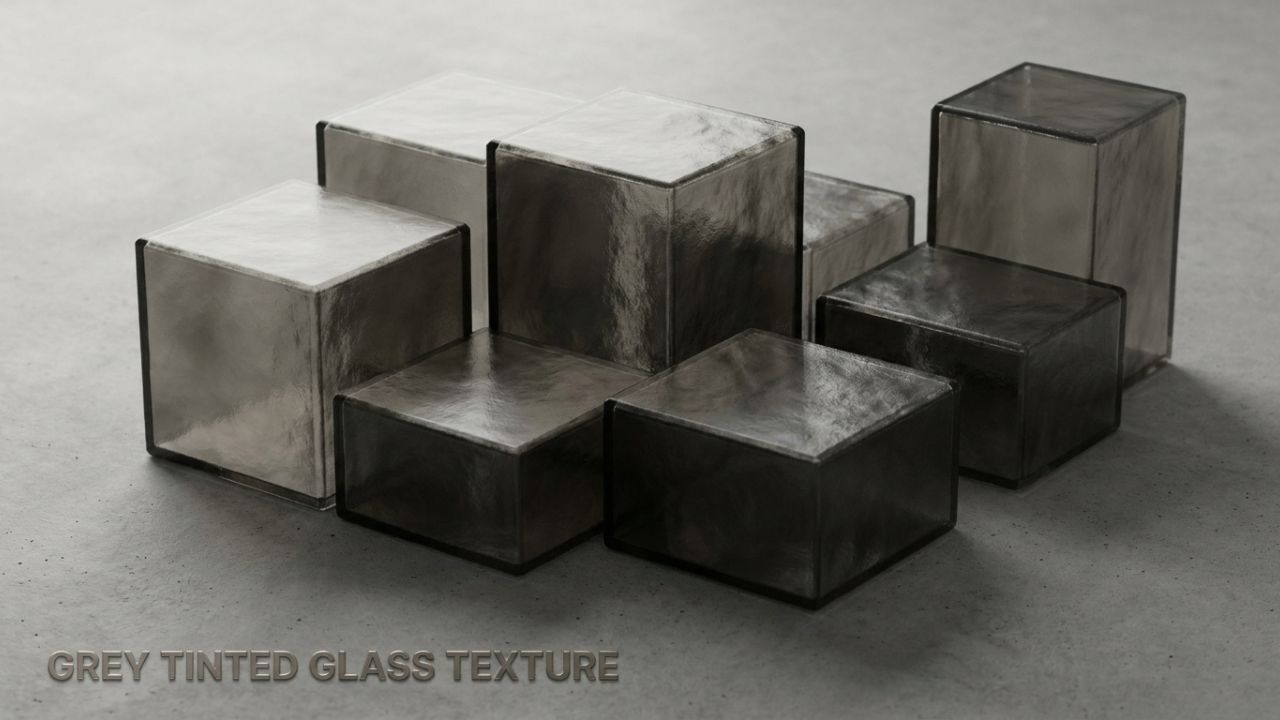
A grey tinted glass texture refers to glass that has been manufactured with a grey coloration while maintaining varying levels of transparency. The tint is typically achieved during production by adding specific minerals that alter the glass’s appearance without compromising its structural integrity.
Unlike clear glass, grey tinted variants provide a softer visual experience. The texture may appear smooth, frosted, reflective, patterned, or digitally rendered depending on the intended application.
Key Characteristics of Grey Tinted Glass Texture
Several features make this material highly desirable:
- Elegant grey coloration
- Reduced glare and light intensity
- Enhanced privacy
- Modern and professional appearance
- Compatibility with various design styles
- Improved visual depth
These qualities allow designers to create sophisticated spaces that feel both functional and visually appealing.
Why Grey Tinted Glass Texture Is Popular in Modern Architecture
The rise of contemporary architecture has contributed significantly to the demand for grey tinted glass texture. Modern buildings often prioritize clean lines, natural light, and energy efficiency, making tinted glass an excellent choice.
Architects appreciate how grey tones create a refined appearance while reducing excessive sunlight. Large glass facades featuring grey-tinted surfaces can help buildings maintain a sleek and professional aesthetic without appearing overly reflective.
Energy Efficiency Benefits
One major reason for the popularity of grey tinted glass texture is its contribution to energy management.
Benefits include:
- Reduced solar heat gain
- Lower cooling costs
- Improved indoor comfort
- Better temperature regulation
- Enhanced sustainability
These advantages make it a preferred option for environmentally conscious construction projects.
Grey Tinted Glass in Inerior Design
Interior designers frequently incorporate grey tinted glass to create stylish and functional living spaces. The material works exceptionally well in homes, offices, hotels, and retail environments.
Its neutral color complements a wide range of palettes, allowing it to blend seamlessly with modern décor.
Common Interior Applications
Grey Tinted Glass Texture for Partitions
Glass partitions create separation without making rooms feel enclosed. Grey-tinted panels add privacy while preserving an open atmosphere.
Grey Tinted Glass Texture in Furniture
Many contemporary furniture pieces feature tinted glass surfaces, including:
- Coffee tables
- Display cabinets
- Bookshelves
- Dining tables
- Entertainment units
The subtle grey hue enhances visual sophistication and adds a premium feel.
Grey Tinted Glass for Doors
Modern sliding and hinged glass doors often utilize grey tints to achieve a sleek, upscale appearance while maintaining functionality.
The Role of Grey Tinted Glass in Digital Design
Beyond physical construction, grey tinted glass has become increasingly popular in digital design and creative industries.
Graphic designers, web developers, and 3D artists use glass textures to create realistic visual effects and immersive user experiences.
Applications in Digital Projects
Digital creators use grey tinted glass for:
- Website backgrounds
- User interface elements
- Product mockups
- Architectural visualizations
- Video game environments
- Motion graphics
The texture helps simulate realistic reflections, transparency, and depth that enhance overall design quality.
Advantages
The growing demand for grey tinted glass can be attributed to its numerous practical and aesthetic benefits.
Enhanced Privacy
Grey tinting limits visibility without completely blocking light. This balance makes it ideal for offices, meeting rooms, and residential settings.
Improved Visual Comfort
Tinted glass reduces glare from sunlight and artificial lighting, creating a more comfortable environment for occupants.
Timeless Appeal
Unlike some design trends that quickly become outdated, grey remains a classic and versatile color that continues to perform well across different design styles.
Versatility
Grey tinted glass texture works effectively with:
- Industrial design
- Contemporary interiors
- Luxury architecture
- Minimalist spaces
- Corporate environments
Its adaptability ensures long-term relevance in various projects.
Design Trends Featuring Grey Tinted Glass
Current design trends continue to embrace grey tinted glass due to its ability to create sophisticated visual experiences.
Minimalist Architecture
Minimalist structures often rely on simple materials and neutral colors. Grey-tinted glass fits perfectly within this design philosophy.
Smart Homes
Modern smart homes increasingly integrate tinted glass into windows, partitions, and decorative elements to create futuristic aesthetics.
Luxury Commercial Spaces
Hotels, corporate offices, and premium retail stores frequently utilize grey-tinted glass to project elegance and professionalism.
Mixed Material Concepts
Designers often combine grey glass with:
- Natural wood
- Steel
- Concrete
- Marble
- Stone surfaces
These combinations create visually striking environments with strong character and depth.
Choosing the Right Grey Tinted Glass
Selecting the ideal grey tinted glass texture depends on several factors.
Consider Light Transmission
Different tint levels allow varying amounts of light to pass through the glass. Lighter tints maintain brightness, while darker shades increase privacy.
Evaluate Surface Finish
Available finishes may include:
- Glossy
- Matte
- Frosted
- Patterned
- Reflective
Each finish offers unique visual and functional characteristics.
Match Existing Design Elements
The chosen texture should complement surrounding materials and color schemes for a cohesive overall appearance.
Future of Grey Glass
The future of grey tinted glass texture looks promising as technological advancements continue to improve glass manufacturing processes.
Emerging innovations include:
- Smart glass integration
- Dynamic tint adjustment
- Enhanced energy performance
- Sustainable production methods
- Advanced decorative finishes
These developments are expected to expand the range of applications while improving efficiency and environmental responsibility.
As urban environments evolve and design preferences shift toward modern aesthetics, grey-tinted glass will likely remain a valuable material across multiple industries.
Conclusion
Grey tinted glass has become an essential component of modern architecture, interior design, and digital creativity. Its ability to combine beauty, privacy, functionality, and versatility makes it one of the most sought-after materials in contemporary design.
From elegant residential interiors to impressive commercial buildings and realistic digital environments, tinted glass continues to shape the way designers create visually appealing spaces. As technology advances and sustainability becomes increasingly important, its popularity is expected to grow even further.
For anyone seeking a modern, timeless, and practical design solution, tinted glass remains an outstanding choice that balances aesthetics with performance.