

Introduction
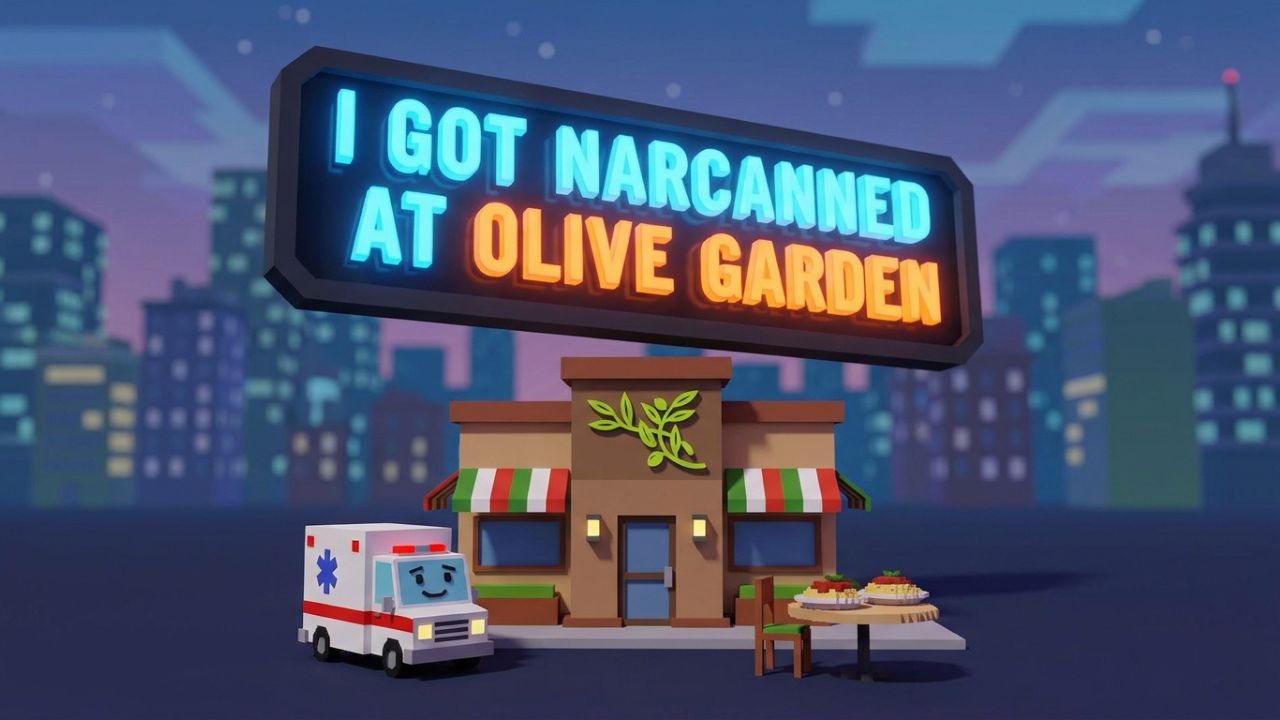
The phrase “I Got Narcanned at Olive Garden” has recently sparked curiosity across social media platforms, online forums, and search engines. At first glance, the statement may seem unusual, humorous, or even confusing. However, behind the phrase lies a serious topic involving public health, overdose prevention, emergency response, and growing awareness about the role of Narcan in saving lives.
As more people encounter the phrase online, they often search for additional information to understand its meaning and context. Whether it originated from a personal experience, an online story, or a viral discussion, the expression highlights how conversations about overdose intervention have become increasingly visible in everyday settings, including restaurants, shopping centers, and other public locations.
This article explores the significance of “I Got Narcanned at Olive Garden,” examines the role of Narcan, and discusses why overdose awareness remains an important public health issue.
What Does “I Got Narcanned at Olive Garden” Mean?
The phrase “I Got Narcanned at Olive Garden” generally refers to a situation in which someone received Narcan after experiencing a suspected opioid overdose while at an Olive Garden restaurant or in a similar public setting.
Narcan is the brand name for naloxone, a medication designed to rapidly reverse opioid overdoses. Emergency responders, trained staff members, and even ordinary citizens may administer naloxone when they suspect someone is experiencing an opioid-related medical emergency.
Because many public places now prioritize emergency preparedness, stories involving Narcan use can occur virtually anywhere, including restaurants, parks, schools, workplaces, and transportation hubs.
The Growing Relevance of “I Got Narcanned at Olive Garden”
Public Health Conversations Are Becoming More Visible
In previous decades, discussions surrounding substance misuse often remained private. Today, communities are more willing to openly discuss prevention, treatment, and recovery.
The phrase “I Got Narcanned at Olive Garden” reflects this broader cultural shift. People are increasingly sharing experiences that highlight the importance of recognizing and responding to medical emergencies.
Social Media Amplifies Personal Stories
A single personal story can quickly gain widespread attention online. Platforms allow users to share experiences, reactions, and opinions with large audiences.
As a result, unusual or memorable phrases can spread rapidly, leading many people to search for background information and context.
Understanding Narcan and How It Works
What Is Narcan?
Narcan is a medication used to reverse the effects of opioid overdose. It works by temporarily blocking opioid receptors in the brain, helping restore normal breathing in individuals experiencing an overdose.
Healthcare professionals widely recognize naloxone as a critical tool in emergency overdose response.
Why Narcan Is Important
Every minute matters during an overdose emergency. Reduced breathing can lead to brain injury, organ damage, or death if not addressed quickly.
The availability of Narcan has saved countless lives by providing immediate intervention before emergency medical services arrive.
Is Narcan Safe?
Naloxone is generally considered safe and is designed specifically to address opioid overdoses. If opioids are not present, the medication typically does not produce harmful effects in most situations.
This safety profile has contributed to broader distribution efforts in communities worldwide.
How Public Places Respond to Emergencies
Restaurants and Emergency Preparedness
Modern restaurants often train staff members to respond to medical emergencies. While not every location carries naloxone, many businesses have increased their preparedness efforts in recent years.
Stories like “I Got Narcanned at Olive Garden” demonstrate how public venues may become unexpected locations for emergency medical interventions.
Employee Training Matters
Training programs frequently include recognizing signs of distress, contacting emergency services, and assisting until professional help arrives.
Prepared employees can make a meaningful difference during critical situations.
Signs of an Opioid Overdose
Recognizing the Warning Signs
Understanding overdose symptoms can help save lives. Common signs include:
- Slow or stopped breathing
- Unresponsiveness
- Pale or bluish skin
- Pinpoint pupils
- Loss of consciousness
- Choking or gurgling sounds
When these symptoms appear, immediate action is essential.
Why Quick Response Is Critical
The sooner an overdose is identified, the greater the likelihood of a successful outcome. Delays can significantly increase health risks and complications.
This reality underscores the importance of awareness, education, and access to lifesaving interventions.
The Impact of Viral Stories on Public Awareness
Online Discussions Can Educate Communities
Although viral phrases sometimes begin as jokes or anecdotes, they can also create opportunities for education.
When people search for terms like “I Got Narcanned at Olive Garden,” they often discover valuable information about overdose prevention and emergency response.
Breaking Down Stigma
One positive effect of public discussion is the reduction of stigma surrounding addiction and recovery.
Open conversations encourage understanding and help individuals seek support without fear of judgment.
Community Efforts to Prevent Overdose Deaths
Expanding Access to Naloxone
Many communities have worked to improve access to naloxone through pharmacies, health organizations, and public awareness campaigns.
The goal is simple: ensure lifesaving medication is available when emergencies occur.
Education and Prevention Programs
Public health initiatives increasingly focus on education, prevention, and recovery support. These efforts help individuals, families, and communities better understand the risks associated with opioid misuse.
Knowledge remains one of the most powerful tools for prevention.
Why the Phrase Continues to Trend
Curiosity Drives Searches
People are naturally curious when they encounter unusual phrases. “I Got Narcanned at Olive Garden” combines a recognizable restaurant brand with a serious medical intervention, creating a memorable expression that attracts attention.
Real-World Relevance
Unlike many internet trends, this phrase touches on a genuine public health issue. Its connection to overdose awareness gives it broader significance beyond simple online entertainment.
Lessons We Can Learn from “I Got Narcanned at Olive Garden”
Emergencies Can Happen Anywhere
One key lesson is that medical emergencies do not only occur in hospitals or healthcare settings. They can happen in restaurants, stores, parking lots, homes, and public spaces.
Preparedness can make a substantial difference in outcomes.
Awareness Saves Lives
Understanding overdose symptoms and knowing how to respond can help protect friends, family members, coworkers, and even strangers.
Greater awareness leads to quicker action during emergencies.
Community Support Matters
Recovery and prevention require collective effort. Healthcare professionals, community organizations, businesses, and everyday citizens all play important roles in promoting safety and wellbeing.
Conclusion
The phrase “I Got Narcanned at Olive Garden” may initially seem like an unusual internet trend, but it highlights an important conversation about overdose awareness, emergency preparedness, and public health education. As stories involving naloxone become more visible, they help increase understanding of how communities can respond effectively to opioid-related emergencies.
Beyond its viral appeal, the phrase serves as a reminder that lifesaving interventions can occur anywhere and that awareness, education, and compassion remain essential tools in addressing one of today’s most significant public health challenges. By learning from these discussions, communities can continue working toward safer environments and better outcomes for those facing medical emergencies.