

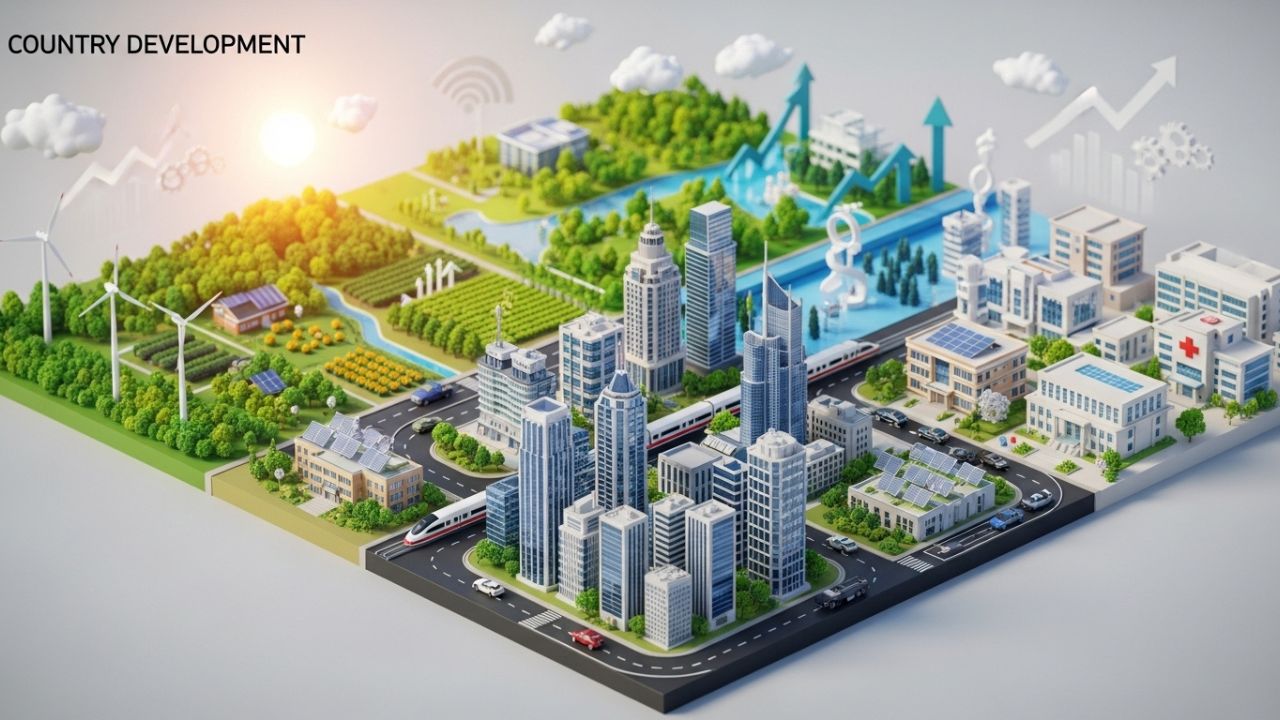
Introduction to CountryDevelopment
Countrydevelopment is the foundation of a nation’s progress, shaping how economies grow, societies improve, and citizens experience better living standards. It goes beyond simple economic expansion and includes education, healthcare, infrastructure, governance and environmental balance. In today’s interconnected world, countrydevelopment determines whether a nation can compete globally while ensuring equality and opportunity for its people. Countries that focus on balanced development strategies tend to create stable economies, reduce poverty, and enhance the overall quality of life.
This article explores the meaning, importance, and practical approaches to achieving sustainable and inclusive growth through well-planned national strategies.
Understanding the Concept of CountryDevelopment
Countrydevelopment refers to the structured process through which a nation improves its economic strength, social systems, and institutional capabilities. It is not just about increasing GDP; it also involves improving human well-being.
Development includes:
-
Strong educational systems
-
Accessible healthcare
-
Reliable infrastructure
-
Political stability
-
Technological advancement
-
Environmental protection
When these elements work together, a country experiences holistic progress rather than temporary gains.
Economic Growth and CountryDevelopment
Economic expansion plays a central role in countrydevelopment because it generates jobs, raises income levels, and funds public services. A strong economy allows governments to invest in critical sectors like transportation, energy, and digital infrastructure.
Industrialization and Innovation
Industries create employment and encourage entrepreneurship. Innovation, particularly in technology and manufacturing, increases productivity and helps nations compete in global markets.
Trade and Investment
Foreign investment and international trade strengthen national economies. By exporting goods and services, countries earn revenue that supports long-term development projects.
However, growth must be inclusive. If wealth is concentrated in only a few sectors or communities, progress becomes uneven and unsustainable.
Social Factors Influencing CountryDevelopment
Economic success alone does not guarantee improvement in living standards. Social elements play an equally important role.
Education and Skills Training
Education equips people with knowledge and skills that enable them to participate in modern economies. Countries that prioritize education often experience higher employment rates and stronger innovation.
Healthcare Systems
Healthy populations contribute more effectively to economic activities. Investments in healthcare reduce disease, improve life expectancy, and lower long-term medical costs.
Equality and Inclusion
Equal opportunities for women, minorities, and disadvantaged groups ensure that every citizen contributes to national progress. Inclusion strengthens both social harmony and productivity.
Infrastructure as a Backbone of CountryDevelopment
Infrastructure connects people, businesses, and services. Without proper roads, electricity, water supply, and internet access, development slows dramatically.
Transportation Networks
Efficient roads, railways, and ports reduce costs for businesses and improve access to markets. This encourages trade and investment.
Digital Connectivity
In the modern era, digital infrastructure is just as important as physical infrastructure. Fast internet enables education, e-commerce, and remote work, all of which accelerate growth.
Energy Resources
Reliable and affordable energy powers industries and homes. Renewable energy solutions also promote sustainability and reduce environmental harm.
Governance and Policy in CountryDevelopment
Good governance is essential for sustained progress. Transparent policies and accountable leadership build trust and encourage both domestic and foreign investment.
Effective governance includes:
-
Rule of law
-
Anti-corruption measures
-
Fair taxation
-
Efficient public services
-
Stable political systems
When governments manage resources wisely, development projects deliver better results and benefit more citizens.
Environmental Sustainability and CountryDevelopment
Modern development strategies must consider environmental impact. Rapid industrial growth without sustainability can cause pollution, climate change, and resource depletion.
Green Growth Strategies
Renewable energy, recycling programs, and eco-friendly technologies allow countries to grow without harming the environment.
Conservation of Resources
Protecting forests, water, and biodiversity ensures future generations can thrive. Sustainable policies balance economic progress with environmental protection.
A country that ignores sustainability may face long-term costs that outweigh short-term gains.
Challenges Facing CountryDevelopment
Despite strong plans, many nations face obstacles that slow progress.
Poverty and Unemployment
Limited job opportunities trap communities in poverty, reducing overall productivity.
Political Instability
Conflicts and unstable governments discourage investment and disrupt services.
Corruption
Misuse of public funds prevents development projects from reaching those who need them most.
Global Economic Pressures
Recessions, trade restrictions, and supply chain disruptions can negatively impact national growth.
Addressing these challenges requires strategic planning and international cooperation.
Strategies to Strengthen CountryDevelopment
Countries that succeed often adopt long-term strategies rather than short-term fixes.
Investment in Human Capital
Training, education, and healthcare empower citizens to contribute effectively to the economy.
Encouraging Entrepreneurship
Small businesses create jobs and foster innovation. Support through loans and policies helps startups thrive.
Technological Adoption
Digital tools improve efficiency in agriculture, manufacturing, and services, boosting overall productivity.
Public-Private Partnerships
Collaboration between governments and private companies speeds up infrastructure and development projects.
Community Participation
Involving local communities ensures development efforts address real needs and create lasting impact.
The Future of CountryDevelopment
The future of development lies in smart, sustainable, and inclusive planning. Emerging technologies such as artificial intelligence, clean energy, and digital finance are transforming how nations grow. Countries that adapt quickly will gain competitive advantages.
At the same time, global cooperation will become increasingly important. Issues like climate change, migration, and economic inequality require joint solutions rather than isolated efforts.
Successful nations will balance economic performance with social responsibility and environmental care, ensuring progress for generations to come.
Conclusion
Countrydevelopment is a multifaceted journey that requires more than economic growth alone. It demands improvements in education, healthcare, infrastructure, governance, and sustainability. By focusing on inclusive strategies and long-term planning, nations can build stronger economies and better lives for their citizens.
True development is measured not just by wealth but by the opportunities people have to live healthy, productive, and fulfilling lives. When governments, businesses, and communities work together, lasting progress becomes achievable.