

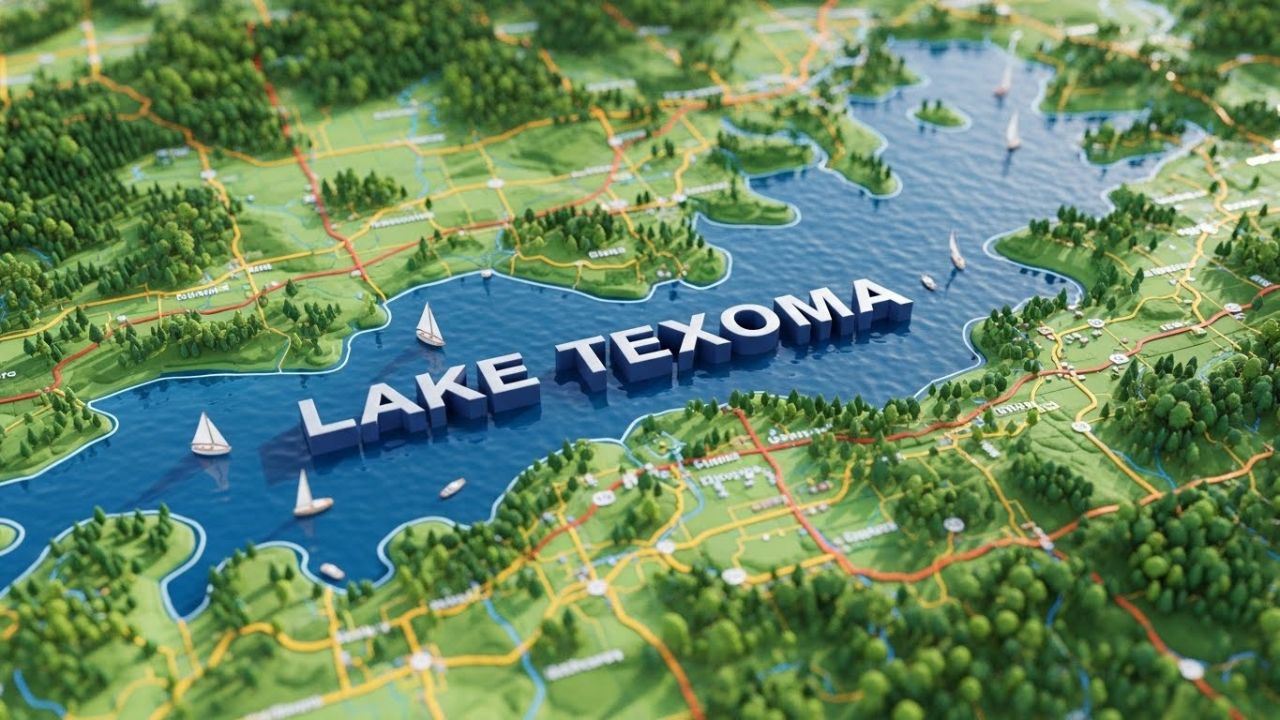
Introduction
Many writers, students, bloggers and content creators often pause when typing place names, especially when unsure about capitalization rules. One common question that appears in searches is lake texoma should be capitalized. The short answer is yes—but understanding why it should be capitalized helps you apply the rule correctly in all types of writing.
This article offers a clear, modern, and easy-to-understand explanation of capitalization rules related to geographic names, with a specific focus on why lake texoma be capitalized in professional, academic, and digital content.
Why “Lake Texoma Should Be Capitalized” Is a Common Question
Capitalization rules can feel confusing, particularly when dealing with geographic features. Writers often wonder whether words like “lake,” “river,” or “mountain” should be capitalized.
Confusion Between Common and Proper Nouns
The phrase lake texoma should be capitalized appears frequently because many people struggle to distinguish between common nouns and proper nouns. While the word “lake” alone is common, the full name represents a specific place.
Search Trends and Writing Accuracy
As more people publish blogs, articles, and educational content, questions about grammar accuracy have increased. Knowing when helps improve writing credibility and SEO performance.
Lake Texoma Should Be Capitalized Because It Is a Proper Noun
The most important rule to remember is simple: proper nouns are always capitalized. Lake Texoma is the official name of a specific geographic location, which makes it a proper noun.
Understanding Proper Geographic Names
When a geographic feature has a formal name, every main word in that name should be capitalized. This rule explains why lake texoma should be capitalized in all standard forms of writing.
Examples:
-
Correct: Lake Texoma is located on the Texas–Oklahoma border.
-
Incorrect: lake texoma is located on the Texas–Oklahoma border.
Consistency in Formal Writing
In academic papers, news articles, and professional blogs, consistency is essential. Capitalizing proper names like Lake Texoma ensures clarity and professionalism.
When Lake Texoma Should Be Capitalized in Sentences
Understanding where and when capitalization applies is just as important as knowing the rule itself.
Titles, Headings, and Subheadings
In titles and headings, capitalization becomes even more critical. Since lake texoma should be capitalized, both words must appear in uppercase form when used as a proper name.
Example:
-
Best Fishing Spots at Lake Texoma
Within Paragraphs and Descriptions
Even within body text, the same rule applies. Writers should never switch between lowercase and uppercase forms, as this can confuse readers and reduce content quality.
Exceptions: When “Lake” Is Not Capitalized
To fully understand why lake texoma should be capitalized, it helps to know when capitalization is not required.
General References
If you are speaking about lakes in general and not naming a specific one, capitalization is unnecessary.
Example:
-
This area has many beautiful lakes.
Shortened or Informal Mentions
If “lake” is used alone without the proper name, it remains lowercase.
Example:
-
The lake was crowded during the summer.
This distinction reinforces why lake texoma should be capitalized when the full name is used.
Why Capitalization Matters in SEO and Online Writing
Capitalization is not just about grammar—it also impacts readability, trust, and search visibility.
Search Engine Interpretation
Search engines recognize proper nouns more easily when they are capitalized correctly. Using the proper form supports content clarity and indexing accuracy.
User Trust and Professionalism
Readers tend to trust content that follows standard grammar rules. Knowing that lake texoma should capitalized helps writers appear more credible and knowledgeable.
Educational Writing and the Rule
Teachers, students, and educational platforms often emphasize capitalization rules to develop strong writing habits.
Grammar Education Standards
Most modern grammar guides agree that named geographic features must be capitalized. This reinforces why lake texoma should capitalized in textbooks, assignments, and exams.
Avoiding Common Student Mistakes
One of the most frequent writing errors students make is inconsistent capitalization. Understanding this rule early helps prevent long-term grammar issues.
Media and Journalism Standards
News organizations follow strict style guides that clearly state how place names should be written.
Editorial Guidelines
According to widely used editorial standards, the names of lakes, rivers, and mountains are capitalized. This further confirms that lake texoma should capitalized in news articles and reports.
Clarity for Global Audiences
Capitalization helps international readers recognize proper names, especially when they are unfamiliar with a location.
Digital Content and Blogging Best Practices
For bloggers and website owners, correct capitalization improves both user experience and SEO performance.
Consistency Across Pages
Using the correct form every time avoids confusion and keeps content polished. This is especially important when targeting location-based keywords.
Improved Readability
Capitalized proper nouns are easier to scan and understand, especially in long-form content.
Conclusion:
To summarize, lake texoma should capitalized because it is the official name of a specific geographic location. Capitalizing both words follows standard grammar rules, improves clarity, enhances professionalism, and aligns with SEO best practices.
Whether you are writing a blog post, academic paper, travel guide, or news article, using the correct capitalization ensures your content is accurate, trustworthy, and reader-friendly.