

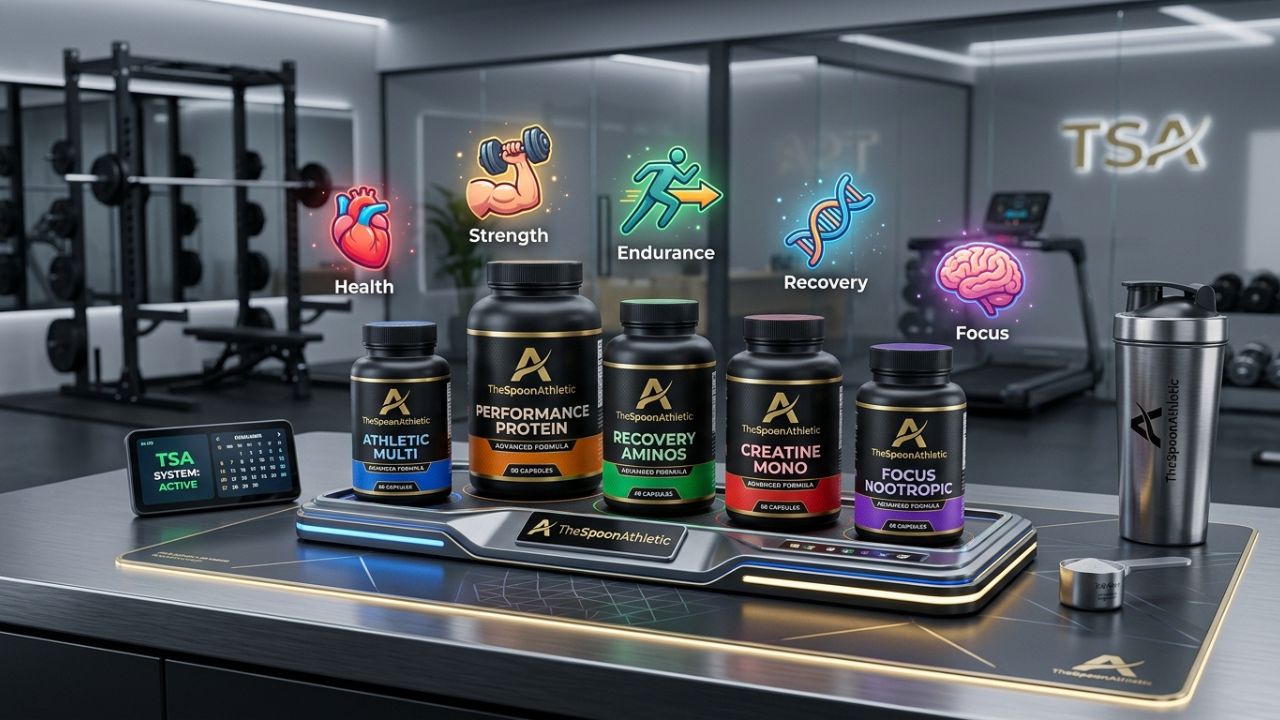
Introduction to Supplement Management TheSpoonAthletic
In today’s competitive fitness landscape, proper nutrition is only one piece of the performance puzzle. Athletes, gym-goers, and active individuals often rely on supplements to support recovery, endurance, strength, and overall wellness. This is where supplement management TheSpoonAthletic becomes an important concept. Effective supplement management ensures that every product consumed serves a specific purpose, aligns with fitness goals, and contributes positively to long-term health.
As the supplement industry continues to grow, consumers face thousands of choices ranging from protein powders and vitamins to pre-workouts and recovery formulas. Without a structured approach, it becomes easy to waste money, misuse products, or fail to achieve desired results. Understanding supplement management can help individuals make informed decisions while maximizing performance benefits.
What Is Supplement Management TheSpoonAthletic?
Supplement management TheSpoonAthletic refers to the strategic planning, tracking, and optimization of dietary supplements within an athlete’s nutrition program. Rather than taking products randomly, supplement management focuses on identifying needs, selecting quality supplements, monitoring results, and adjusting intake based on performance goals.
The process involves:
- Assessing nutritional deficiencies
- Choosing evidence-based supplements
- Establishing proper timing and dosage
- Tracking outcomes and progress
- Reviewing safety and effectiveness regularly
This systematic approach helps athletes avoid common mistakes while supporting consistent performance improvements.
Why Supplement Management Matters
Many athletes assume that more supplements automatically lead to better results. In reality, effectiveness depends on proper usage and individual requirements.
Improved Performance
A structured supplement plan helps ensure that performance-enhancing nutrients are consumed at the right time and in the correct amounts. This can contribute to improved endurance, strength, and training capacity.
Faster Recovery
Recovery supplements such as protein, amino acids, and electrolytes are most effective when integrated into a well-organized routine. Proper management reduces recovery time and helps maintain training consistency.
Better Health Outcomes
Poorly managed supplementation may lead to excessive nutrient intake or unnecessary spending. A strategic approach supports overall health while reducing risks associated with overconsumption.
Cost Efficiency
Supplements can be expensive. Effective management helps individuals focus on products that provide measurable benefits rather than following marketing trends.
Key Components of Supplement Management TheSpoonAthletic
Assessing Individual Needs
The first step in supplement management is evaluating personal goals and nutritional requirements. Factors that influence supplement needs include:
- Age
- Gender
- Training intensity
- Sport type
- Dietary preferences
- Existing health conditions
Athletes should identify any nutritional gaps before adding supplements to their routines.
Selecting Evidence-Based Supplements
Not all supplements are backed by scientific research. Prioritizing products with proven effectiveness helps maximize results.
Popular evidence-supported supplements include:
Protein Supplements
Protein powders support muscle repair and growth, making them a staple for many athletes.
Creatine Monohydrate
Creatine remains one of the most researched sports supplements and is widely recognized for supporting strength and power output.
Omega-3 Fatty Acids
These healthy fats contribute to cardiovascular health, recovery, and inflammation management.
Vitamin D
Vitamin D plays a critical role in bone health, immune function, and athletic performance.
Electrolytes
Electrolytes help maintain hydration and support optimal muscle function during intense activity.
Building an Effective Supplement Schedule
One of the most important aspects of supplement management TheSpoonAthletic is timing. Taking supplements at strategic moments can improve their effectiveness.
Morning Supplements
Many athletes take vitamins, minerals, and omega-3 supplements with breakfast to support daily nutritional needs.
Pre-Workout Supplements
Pre-workout products often contain ingredients designed to support focus, energy, and exercise performance.
Post-Workout Supplements
Protein shakes and recovery formulas are commonly consumed after training to aid muscle repair and replenish nutrients.
Evening Supplements
Certain supplements, such as magnesium, may be used in the evening to support relaxation and recovery.
Tracking Supplement Effectiveness
Monitoring progress is essential for determining whether a supplement is delivering meaningful benefits.
Athletes can track:
- Energy levels
- Recovery speed
- Strength improvements
- Endurance gains
- Sleep quality
- Body composition changes
Maintaining a supplement journal helps identify trends and supports informed decision-making.
Digital Tracking Tools
Modern technology has made supplement management easier than ever. Mobile apps and fitness platforms allow users to monitor intake schedules, record performance metrics, and receive reminders.
These tools help ensure consistency and improve adherence to supplementation plans.
Common Mistakes in Supplement Management
Even experienced athletes can make mistakes when managing supplements.
Taking Too Many Products
Using numerous supplements simultaneously can make it difficult to determine which products are effective.
Ignoring Dosage Recommendations
Exceeding recommended dosages does not necessarily produce better results and may increase health risks.
Following Trends Without Research
Social media trends often promote supplements without sufficient scientific support. Athletes should prioritize evidence-based products.
Neglecting Nutrition
Supplements should complement a balanced diet, not replace it. Whole foods remain the foundation of athletic performance.
The Role of Professional Guidance
Working with qualified nutrition professionals can enhance supplement management strategies.
Professionals can:
- Evaluate nutritional needs
- Recommend suitable products
- Monitor safety concerns
- Adjust protocols based on performance goals
This personalized approach helps athletes avoid unnecessary supplementation while maximizing effectiveness.
Safety Considerations in Supplement Management TheSpoonAthletic
Safety should always remain a top priority when implementing a supplement strategy.
Choose Reputable Brands
Selecting products from trusted manufacturers reduces the risk of contamination and inaccurate labeling.
Review Ingredient Lists
Athletes should carefully examine ingredient labels to identify allergens, stimulants, or unnecessary additives.
Monitor Interactions
Certain supplements may interact with medications or existing health conditions. Consulting healthcare professionals is recommended before starting new products.
Stay Updated
Research continues to evolve, making it important to stay informed about new findings and industry developments.
Future Trends in Supplement Management
The supplement industry is becoming increasingly personalized. Emerging technologies are helping athletes customize nutrition plans based on genetic data, biomarker analysis, and performance metrics.
Future trends may include:
- Personalized supplement recommendations
- AI-powered nutrition tracking
- Real-time recovery monitoring
- Advanced nutrient testing
- Customized supplement formulations
These innovations could make supplement management more precise and effective than ever before.
Conclusion
Supplement management TheSpoonAthletic represents a structured approach to integrating supplements into an athlete’s overall nutrition and performance strategy. Rather than relying on guesswork, effective management involves assessing needs, selecting evidence-based products, monitoring outcomes, and making informed adjustments over time.
By focusing on organization, consistency, and scientific support, athletes can maximize the value of their supplements while supporting long-term health and performance goals. Whether you’re a professional competitor or a recreational fitness enthusiast, implementing a thoughtful supplement management system can help you achieve better results and make smarter nutrition decisions.